Self-Massage: Acupoint Basics for Beginners
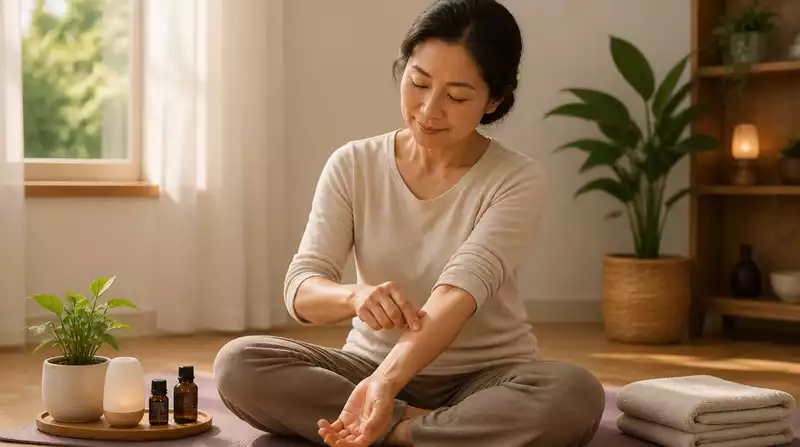
What if the key to relaxation and wellness lies in the simple act of touch? Acupoint self-massage is a time-honored practice that bridges the ancient wisdom of Traditional Chinese Medicine with modern self-care techniques, enabling you to harness your body’s healing potential. Dive in to discover how to transform your well-being with just your hands!
What You Will Learn
- Stress Relief Techniques: Discover how applying gentle pressure to acupoints can significantly calm your mind and body.
- Pain Management Strategies: Learn which acupoints to target for effective relief from headaches, tension, and discomfort.
- Essential Self-Massage Techniques: Master different methods such as using your thumb, fingers, or palm for optimal pressure application.
- Common Acupoint Locations: Familiarize yourself with beginner-friendly acupoints to address various symptoms like stress and fatigue.
- Integrating Breathing Techniques: Enhance your self-massage experience by combining it with mindful breathing for deeper relaxation.
- Safety Precautions: Understand the importance of listening to your body and avoiding self-massage in certain medical conditions.
- Personalizing Your Routine: Learn how to tailor your self-massage practice to your unique needs for maximum effectiveness.
- Avoiding Common Mistakes: Identify pitfalls to avoid, such as over-pressing or targeting incorrect acupoints.
- Exploring Multimedia Resources: Utilize videos and diagrams to enhance your understanding and technique of acupoint self-massage.
Mapping Symptoms to Acupoints
Identify the right acupoints for effective self-massage based on common symptoms.
Stress Relief
LI4 (Hegu) located between your thumb and index finger.
Headaches
GB20 (Fengchi) at the base of your skull.
Nausea
PC6 (Neiguan) on your inner forearm.
Digestion
REN12 (Zhongwan) just below your breastbone.
Beginner’s Guide to Acupoint Self-Massage: Step-by-Step at Home
Have you ever wondered how a simple touch can bring comfort and healing? Acupoint self-massage is an accessible way to tap into the benefits of Traditional Chinese Medicine (TCM) right in your own home. This gentle practice involves applying pressure to specific points on the body, known as acupoints, to promote wellness and balance.
In TCM, acupoint self-massage has deep historical roots. For centuries, practitioners have recognized the significance of this technique in restoring harmony within the body. By understanding how to engage with these points, you can unlock a wealth of benefits for both your body and mind!
Imagine a tool that helps reduce stress, manage pain, and enhance relaxation—all with just your hands! The benefits of acupoint self-massage are plentiful, making it a valuable addition to your self-care routine. From easing headaches to improving sleep, this practice nurtures your overall well-being. For more insights into how these ancient practices can benefit you, explore exploring Traditional Chinese Medicine practices.
Understanding Acupoint Self-Massage and Its Benefits
To dive deeper, let’s look at what acupoint self-massage really means. It’s a practice that allows you to stimulate specific acupoints, which correspond to various body functions and emotions. By doing so, you can encourage the flow of energy, or Qi, throughout your body.
Historically, this technique reflects the ancient wisdom of Chinese medicine, focusing on the interconnectedness of body, mind, and spirit. By embracing this practice, you honor the traditions of TCM while fostering a deeper connection to your own health.
- Stress Relief: Applying gentle pressure helps calm the mind and body.
- Pain Management: Targeting specific points can alleviate discomfort and tension.
- Relaxation: This practice promotes a sense of peace and well-being.
How Acupoint Self-Massage Works
Now, you might be curious about how this all works. In TCM, we talk about Qi (chi) and meridians, which are pathways through which energy flows. By applying pressure to acupoints along these meridians, you can influence the flow of Qi in your body.
When you press an acupoint, it stimulates the body's natural healing processes. This can lead to a variety of positive effects, such as reducing pain and enhancing relaxation. It’s a beautiful way to reconnect with your body and support its innate abilities! To learn more about how acupoints contribute to your overall health and well-being, read about acupoints in Traditional Chinese Medicine.
Essential Techniques for Effective Self-Massage
Let's explore the techniques you can use for effective self-massage! There are several methods to apply pressure, including:
- Thumb: Use your thumb to apply firm pressure on the acupoint.
- Finger: Your fingers can provide targeted pressure for smaller points.
- Palm: The palm can cover larger areas for broader relief.
- Tools: Consider using massage balls or acupressure mats for enhanced relief.
As you practice, remember to pay attention to the depth and duration of pressure. A good rule of thumb is to apply enough pressure to feel a sensation but not pain. This is what we call the zone of “comfortable pain.” Your body will guide you!
Common Acupoint Locations for Beginners
To start your self-massage journey, it’s important to know some key acupoints! Here’s a handy list of beginner-friendly acupoints:
- LI4: Located between the thumb and index finger, great for headaches.
- PC6: Found on the inner wrist, helpful for nausea and anxiety.
- HT7: Located at the wrist crease, beneficial for stress relief.
- ST36: Found below the knee, excellent for fatigue and digestion.
- GV20: Located at the top of the head, enhances relaxation.
- REN12: Found on the abdomen, supportive for digestive issues.
These points can help address common symptoms like headaches, stress, fatigue, and nausea. As you familiarize yourself with these locations, you’ll feel more confident in your self-massage practice!
Integrating Meridian Theory in Self-Massage
Understanding meridian pathways can deepen your self-massage experience! These pathways connect acupoints and facilitate the flow of Qi. When you massage specific points, you can effectively interact with these energy highways.
To connect with specific meridians, start by identifying areas of your body that feel tense or unwell. As you massage these points, visualize the energy flowing through the meridians, promoting balance and harmony. It’s a wonderful way to engage with your body’s healing potential!
Step-by-Step Self-Massage Routines
Creating personalized self-massage routines can enhance your wellness journey. Consider the time of day when you can best incorporate this practice: morning to energize, or night to unwind. Here’s a simple routine to get you started:
- Morning Routine: Focus on energizing points like LI4 and ST36.
- Evening Routine: Concentrate on relaxation points like HT7 and GV20.
Don’t forget to incorporate breathing techniques during your sessions! Deep, mindful breaths can amplify the benefits of your massage, helping to further calm your mind and body. For more information on enhancing your wellness through breathing, check out our guide on breathing techniques from TCM.
Safety Guidelines and Precautions
As with any self-care practice, safety is important! Here are some guidelines to keep in mind:
- Contraindications: Avoid self-massage if you have certain medical conditions, such as acute injuries or skin infections.
- Listening to Your Body: Pay attention to discomfort; distinguish between effective pressure and pain.
When in doubt, consult with a healthcare professional before starting any new self-care practice. Remember, your wellness journey is personal, and tuning in to your body is key!
Building a Self-Care Routine at Home
To make acupoint self-massage a regular part of your life, consider tracking your symptoms and progress. This can help you identify what works best for you. Establishing a 7–14 day self-massage plan can create a habit that supports your overall well-being.
Whether you’re looking to relieve stress or enhance relaxation, remember that every small effort counts! As you embark on this journey with Gentle Qi Traditions, I encourage you to embrace the healing potential of acupoint self-massage. Your body deserves this gentle care!
Quick Summary
Here's a brief recap of the key points discussed so far:
- What is Acupoint Self-Massage? A technique from Traditional Chinese Medicine that involves applying pressure to specific points on the body to promote wellness.
- Benefits: Helps reduce stress, manage pain, and enhance relaxation through the stimulation of acupoints.
- Essential Techniques: Techniques include using your thumb, fingers, or palms to apply pressure, with an emphasis on comfort over pain.
Frequently Asked Questions About Acupoint Self-Massage
Acupoint self-massage is an ancient practice from Traditional Chinese Medicine (TCM) that involves applying pressure to specific points on your body, known as acupoints, to promote relaxation, relieve stress, manage pain, and enhance overall well-being.
The main benefits include stress relief, pain management (e.g., for headaches and tension), enhanced relaxation, and improved digestion and energy levels. It helps to balance the body's energy flow (Qi).
Beginner-friendly acupoints are often associated with common symptoms: LI4 (between thumb and index finger) for headaches and stress, PC6 (inner forearm) for nausea, HT7 (wrist crease) for stress, ST36 (below knee) for fatigue and digestion, GV20 (top of head) for relaxation, and REN12 (abdomen) for digestive issues. Diagrams and videos can be helpful resources.
You can use your thumb for firm pressure, fingers for targeted pressure on smaller points, or your palm for broader areas. The key is to apply enough pressure to feel a sensation, but not pain, often referred to as the "comfortable pain" zone.
Yes, avoid self-massage if you have acute injuries, skin infections, or certain medical conditions. Always listen to your body and discontinue if you experience sharp pain. It's advisable to consult a healthcare professional before starting any new self-care practice, especially if you have underlying health concerns.
Personalizing Your Acupoint Experience
When exploring acupoint self-massage, it’s essential to tailor your experience to your unique needs. Each individual may face different symptoms like stress, headaches, or digestive issues. By connecting specific acupoints to these symptoms, you can create a more effective and personalized self-care routine. Let’s delve into how to map your symptoms to the right acupoint locations!
Choosing the Right Points for Your Symptoms
Identifying the correct acupoints for your specific symptoms is crucial for effective self-massage. Here’s a helpful mapping guide:
- Stress: Try LI4 (Hegu) located between your thumb and index finger.
- Headaches: Use GB20 (Fengchi) at the base of your skull.
- Nausea: Focus on PC6 (Neiguan) on your inner forearm.
- Digestion: Apply pressure on REN12 (Zhongwan) just below your breastbone.
Visual aids such as diagrams or flowcharts can be incredibly beneficial for quick reference. I often recommend keeping a simple chart handy at home, especially for beginners, to make your practice even smoother!
Common Mistakes to Avoid in Self-Massage
As you embark on your self-massage journey, being aware of common mistakes can enhance your experience. Here are a few pitfalls to steer clear of:
- Over-pressing: Applying too much pressure can lead to discomfort, so always listen to your body.
- Improper techniques: Using the wrong technique can diminish the benefits. Ensure you’re using thumb, finger, or palm methods appropriately.
- Identifying incorrect points: Double-check the location of the acupoints to ensure you’re targeting the right area for your symptoms.
It’s easy to feel overwhelmed at first, but with practice, you'll find the right balance and techniques that work for you!
Engaging with Multimedia Resources
To enhance your understanding and technique, consider engaging with various multimedia resources. Videos and diagrams can provide visual guidance that complements your self-massage practice. Here’s how to get started:
- Video tutorials: Look for reputable sources that demonstrate acupoint self-massage techniques.
- Diagrams: Find clear illustrations of acupoint locations to keep on hand.
- Community forums: Explore online discussions where people share their personal experiences and tips.
Connecting with others can also bring inspiration and new ideas for your journey with acupoint self-massage. At Gentle Qi Traditions, we encourage sharing insights and learning from one another! For more detailed guidance, consider exploring understanding acupuncture's healing benefits.
Exploring Holistic Healing and Wellness Practices
As we dive deeper into self-care, it’s beneficial to explore holistic healing practices that complement acupoint self-massage. Think about how these practices can work harmoniously together:
- Reflexology: Engaging with the feet can enhance overall energy flow.
- Energy healing: Techniques such as Reiki can provide additional support.
- Yoga and mindfulness: Incorporating gentle movements and breathwork can deepen relaxation and awareness.
These practices not only promote physical wellness but also nurture emotional and spiritual health. The journey toward holistic wellness is all about discovering what resonates with you!
Final Thoughts and Encouragement to Practice Self-Care
As we wrap up our exploration of acupoint self-massage, remember the powerful benefits this practice can bring. From relieving stress to managing headaches, it’s a valuable tool in your self-care arsenal. I encourage you to integrate self-massage into your daily routine and see how it enhances your well-being.
Feeling inspired? Why not share your personal experiences or tips with others? You might spark interest in someone else’s wellness journey! And if you’re seeking more resources, feel free to connect with us at Gentle Qi Traditions for more insights and guidance. Discover how you can further enhance your well-being with home acupoint massage routines.
Recap of Key Points
Here is a quick recap of the important points discussed in the article:
- Benefits of Acupoint Self-Massage: This practice aids in stress relief, pain management, and promotes relaxation by stimulating specific acupoints.
- Effective Techniques: Use your thumb, fingers, or palm to apply pressure. Tools like massage balls can enhance your experience.
- Beginner-Friendly Acupoints: Key points to start with include LI4 for headaches, PC6 for nausea, and HT7 for stress relief.
- Safety Guidelines: Avoid self-massage with acute injuries or infections, and always listen to your body to avoid discomfort.
- Personalizing Your Practice: Tailor your self-massage routine to address specific symptoms and establish a consistent practice for best results.
- Common Mistakes: Be cautious of over-pressing and ensure you are using proper techniques and targeting the correct acupoints.
- Holistic Practices: Complement acupoint self-massage with techniques like reflexology, yoga, and mindfulness for enhanced well-being.

Lian Chen
Lian Chen is a passionate advocate for Traditional Chinese Medicine (TCM) and holistic wellness. With years of experience in the field, Lian is dedicated to sharing the profound principles of TCM through gentle practices that empower individuals to enhance their well-being. Lian believes in the healing potential of acupressure, acupuncture, and mindful routines, and strives to inspire curiosity and understanding of these ancient traditions.
Popular Posts
Relaxing with Herbal Baths
![Relaxing with Herbal Baths]() Have you ever considered how something as simple as a bath can transform your mental and physical we
Have you ever considered how something as simple as a bath can transform your mental and physical we
 Have you ever considered how something as simple as a bath can transform your mental and physical we
Acupoints and Chronic Pain Relief
![Acupoints and Chronic Pain Relief]() Chronic pain impacts millions, often leading to frustration and a diminished quality of life. As we
Chronic pain impacts millions, often leading to frustration and a diminished quality of life. As we
 Chronic pain impacts millions, often leading to frustration and a diminished quality of life. As we
Simple Wellness Routines for Immunity
![Simple Wellness Routines for Immunity]() Have you ever considered how small, consistent wellness practices could lead to significant improvem
Have you ever considered how small, consistent wellness practices could lead to significant improvem
 Have you ever considered how small, consistent wellness practices could lead to significant improvem
Acupoint Techniques for Better Focus
![Acupoint Techniques for Better Focus]() Are you ready to unlock your full potential? Discover the transformative power of acupressure, a pra
Are you ready to unlock your full potential? Discover the transformative power of acupressure, a pra
 Are you ready to unlock your full potential? Discover the transformative power of acupressure, a pra
