For Acute Pain
- Apply pressure multiple times a day.
- Use short sessions of 1-3 minutes.
- Repeat as needed throughout the day.
Have you ever wished for a natural way to alleviate persistent pain? Understanding acupoints can unlock a holistic approach to pain management that has been utilized for thousands of years. Dive into the world of acupressure and empower yourself on your wellness journey!
Understanding the balance between frequency and duration can enhance your acupressure experience, especially in pain management. For deeper insights into similar practices, consider exploring traditional Chinese medicine practices to expand your knowledge.
Have you ever experienced a nagging pain and wondered if there was a simple way to alleviate it? Acupoints, key locations on the body used in practices like acupressure, offer a gentle yet effective solution for pain management. At Gentle Qi Traditions, we believe that understanding these points can empower you to take control of your wellness journey.
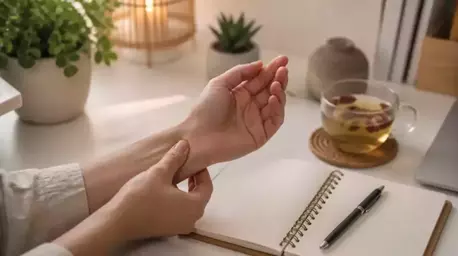
Acupressure, derived from Traditional Chinese Medicine (TCM), has been practiced for thousands of years. It focuses on stimulating specific acupoints by applying pressure, helping to improve the flow of Qi (or energy) throughout the body. This ancient technique not only addresses pain but also promotes overall well-being.
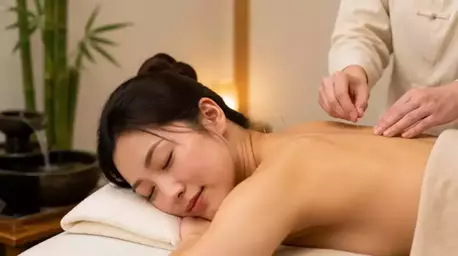
Acupressure is closely related to acupuncture, but instead of using needles, it utilizes finger pressure. This method has roots in ancient Chinese practices, dating back over 2,500 years! It was developed as a way to balance the body’s vital energies and is closely tied to the philosophy of yin and yang.
Historically, acupressure was often used by practitioners to treat a variety of conditions, including pain, stress, and digestive issues. Today, many people, including those in our local community of Frome and surrounding areas, are rediscovering its benefits as a natural and holistic approach to health. To learn more about how similar methods contribute to well-being, read about understanding acupuncture's healing benefits.
Acupoints are specific spots on the body that correspond to various organs and systems. When pressure is applied to these points, it can enhance circulation, reduce inflammation, and release endorphins—our body’s natural painkillers. This process can result in significant pain relief and improved overall function.
Here are a few key aspects of how acupoints work:
In TCM, Qi is considered the vital life force that flows through our bodies. When Qi is balanced, we feel energized and healthy, but when it’s blocked or stagnant, discomfort and disease can occur. Acupoint therapy aims to restore this balance by releasing any blockages, allowing Qi to flow freely. For those interested in self-care, there are many acupressure techniques for daily calm that can help maintain this balance.
As practitioners of this ancient wisdom at Gentle Qi Traditions, we emphasize the importance of connecting with your own body’s energy. By learning to recognize how your acupoints affect your overall health, you can take meaningful steps toward pain relief and greater vitality.
Did you know? Consistency is key when practicing acupressure. For the best results, try to integrate acupoint stimulation into your daily routine. Whether it’s morning, afternoon, or evening, find a time that works for you and stick to it. This regular practice can enhance your body’s responsiveness to acupressure, providing more effective pain relief over time.
When it comes to managing pain through acupressure, understanding the balance between frequency and duration is key. Each individual's experience with pain can differ widely, so tailoring your approach can lead to better outcomes. For example, acute pain may require more frequent sessions, while chronic pain might benefit from longer sessions that allow deeper relaxation.
In general, here are a few best practices to keep in mind:
Finding the right balance can significantly enhance your acupressure experience. As I reflect on my own journey with Traditional Chinese Medicine, I've found that listening to my body and adjusting my techniques has led to deeper healing and understanding.
Managing pain effectively often requires a nuanced understanding of your body's signals. For acute pain, the goal is usually to provide quick relief and address issues as they arise. In contrast, chronic pain might need a more holistic approach with a focus on long-term wellness.
Consider these tailored practices for each type of pain:
By experimenting with these strategies, you can discover what best suits your needs. Listening to your body is crucial—every small change can lead to a significant improvement!
While self-administered acupressure can be incredibly effective, there are times when consulting a TCM practitioner is the best course of action. If you find that your pain persists or intensifies, a professional can offer deeper insights and tailored techniques to enhance your healing journey. For specific techniques to help with common ailments, consider exploring acupoint techniques for headache relief.
Here are some signs that it might be time to seek expert assistance:
At Gentle Qi Traditions, I encourage you to connect with local practitioners who can guide you in your exploration of acupressure. Their knowledge and support can greatly enhance your experience and help you navigate your wellness journey with confidence!
As we wrap up our discussion, remember that acupressure is a personal journey. It's about discovering what works best for your unique body and pain experience. Whether you're looking to address acute discomfort or chronic issues, the techniques we've explored can provide a solid foundation for your healing.
To recap, here are the main takeaways:
Embracing these practices can lead to significant improvements in your well-being, as I've seen in my own life. It’s all about finding that gentle balance which resonates with you.
Are you ready to take the first step on your acupressure journey? I invite you to explore the acupoints we've discussed and incorporate them into your daily routine. Every little effort counts! Remember, at Gentle Qi Traditions, we’re here to support you in discovering the gentle healing power of Traditional Chinese Medicine. You can also learn more about acupoints in Traditional Chinese Medicine through our extensive resources.
Here is a quick recap of the important points discussed in the article:
Lian Chen is a passionate advocate for Traditional Chinese Medicine (TCM) and holistic wellness. With years of experience in the field, Lian is dedicated to sharing the profound principles of TCM through gentle practices that empower individuals to enhance their well-being. Lian believes in the healing potential of acupressure, acupuncture, and mindful routines, and strives to inspire curiosity and understanding of these ancient traditions.