Acupressure
- Reduces Tension: Alleviates muscle tightness.
- Promotes Relaxation: Encourages calmness.
- Enhances Mood: Balances emotions.
Have you ever felt overwhelmed and wished you could just press a button to relax? Acupressure offers a way to release tension and promote a sense of calm through simple techniques! This ancient practice is rooted in Traditional Chinese Medicine and provides a pathway to alleviate stress and enhance well-being. Here are the key takeaways from understanding easy acupressure for relaxation:
Acupressure offers a variety of benefits, as evidenced by research findings. Below is a comparison of the primary advantages of acupressure against other relaxation techniques.
Acupressure offers unique physical relief, while meditation and breathing focus more on mental calmness. Each technique enhances overall wellness.
Have you ever felt overwhelmed and wished you could just press a button to relax? Well, acupressure offers a way to release tension and promote a sense of calm through simple techniques! At Gentle Qi Traditions, I explore how these gentle practices can help you unwind and restore balance in your daily life.
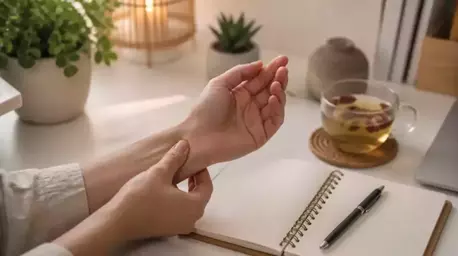
Acupressure is a powerful tool in Traditional Chinese Medicine (TCM), focusing on specific points on the body to alleviate stress and enhance well-being. By applying pressure to these points, we can tap into our body's natural healing abilities. It's a practice that anyone can learn and incorporate into their routine, making it accessible for everyone! You can learn more about the broader applications of Traditional Chinese Medicine practices to enhance your overall wellness.
Stress can take a toll on our physical and mental well-being, but acupressure provides a pathway to relief. By targeting specific acupoints, we can effectively stimulate the body's energy flow and promote relaxation. Here are some key benefits of using acupressure for stress relief:
By integrating acupressure into your routine, you can cultivate a more relaxed state and support your overall wellness journey. It’s all about finding simple techniques that resonate with you!
In TCM, acupressure is rooted in the belief that our bodies are interconnected through energy pathways called meridians. When energy, or “Qi,” flows freely along these pathways, we experience health and vitality. When blockages occur, it can lead to stress and discomfort. Acupressure aims to restore this balance by stimulating specific points along these meridians.
Every acupoint corresponds to different physical and emotional aspects of our health. By applying targeted pressure, we can activate these points and enhance our body’s natural healing response. Here are some foundational concepts of how acupressure works:
Understanding these principles can deepen your appreciation for acupressure and empower you to incorporate it into your daily routine. It’s a beautiful way to connect with your body and mind!
Now that we have a grasp on the foundations, let’s look at some simple routines to incorporate acupressure into your everyday life. These practices can help you find calmness throughout your day, whether it’s in the morning, during a break, or as you wind down for the night!
Here's a brief recap of the key points discussed so far:
Here are some common questions about acupressure and its benefits for relaxation:
When exploring the world of acupressure, it’s fascinating to look at the science behind why this ancient practice can be so effective for stress relief. Researchers have delved into various studies, revealing how acupressure not only promotes relaxation but also enhances overall well-being. Let’s take a closer look at some of these findings!
In numerous studies, participants who engaged in acupressure reported significant reductions in stress levels, anxiety, and even physical discomfort. These findings underscore the potential of acupressure as an accessible tool for improving health. For those of us at Gentle Qi Traditions, this evidence reinforces our belief in the healing powers of Traditional Chinese Medicine! For deeper insights into similar practices, consider understanding acupuncture's healing benefits.
Multiple studies have demonstrated the positive impact of acupressure on stress and relaxation. Here are a few key findings:
These insights are vital for anyone considering acupressure as a way to support their wellness journey. It shows that taking the time to practice these techniques can lead to tangible benefits!
The vagus nerve plays a crucial role in calming the body’s stress response, and acupressure can stimulate this nerve effectively! By applying pressure to specific points, we can activate the parasympathetic nervous system, promoting relaxation and restoring balance. This is especially important in our fast-paced lives, where finding moments of calm is essential.
Some benefits of stimulating the vagus nerve through acupressure include:
At Gentle Qi Traditions, we believe that understanding these connections empowers individuals to take charge of their health through gentle practices.
As we dive deeper into the realm of relaxation techniques, it’s interesting to compare acupressure with other methods such as meditation and breathing exercises. Each practice has its unique benefits, but acupressure stands out due to its hands-on approach, making it accessible and easy to integrate into daily life.
Both meditation and breathing exercises are excellent for stress relief, but acupressure offers a distinct advantage by providing immediate physical relief. Consider the following comparisons:
Each technique can complement the others beautifully, offering a holistic approach to stress management! If you're looking for focused relief, explore acupoint techniques for better sleep.
Real-life experiences often provide compelling evidence of a practice’s effectiveness. Many individuals have shared their success stories after incorporating self-acupressure into their daily routines. Some notable benefits include:
These stories remind us that taking small steps can lead to significant improvements in our well-being!
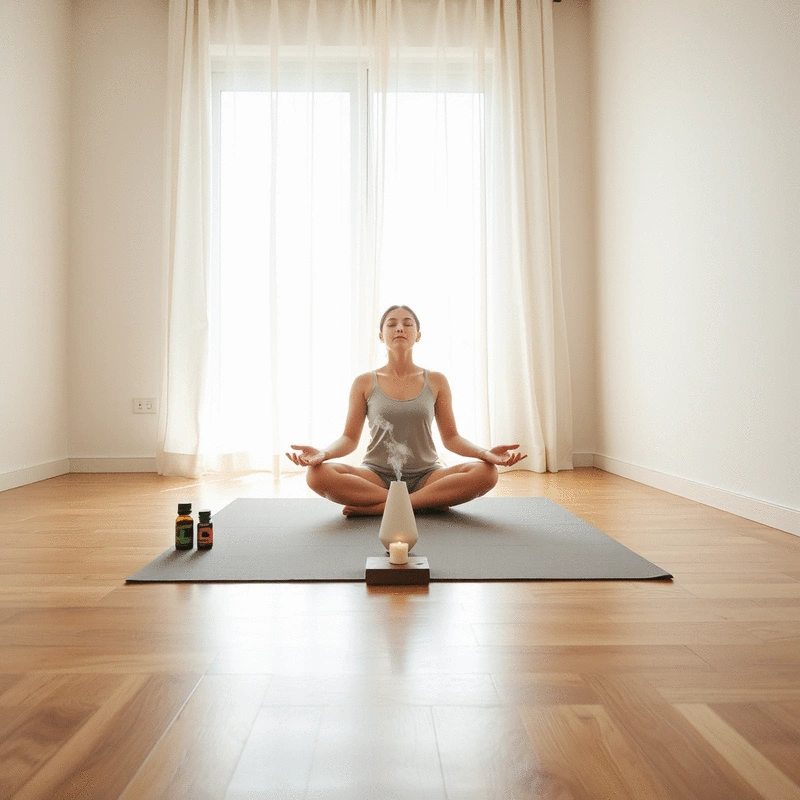
Aromatherapy and self-massage can beautifully complement acupressure techniques. Adding essential oils during your acupressure practice can enhance the experience, as certain scents promote relaxation and calm. For instance, lavender and chamomile are known for their soothing properties.
Here’s how to integrate these techniques:
At Gentle Qi Traditions, we encourage exploring these holistic practices to find what resonates best with you!
As we wrap up this exploration of acupressure, it's clear that consistency is key to reaping its benefits. By making acupressure a regular part of your self-care routine, you can cultivate a greater sense of calm and balance in your life.
Setting aside a few minutes each day for acupressure can make a world of difference. Here are a few tips to help you stay consistent:
Each small step counts towards building a healthier, more balanced lifestyle! For further reading on achieving balance, explore our article on Acupoint Techniques for Better Sleep.
Now that you have the tools and knowledge, I invite you to embark on your own acupressure journey! Explore the techniques we've discussed and see how they can enhance your well-being. Remember, every journey begins with a single step, so start today and embrace the gentle healing practices of Traditional Chinese Medicine!
Here is a quick recap of the important points discussed in the article:
Lian Chen is a passionate advocate for Traditional Chinese Medicine (TCM) and holistic wellness. With years of experience in the field, Lian is dedicated to sharing the profound principles of TCM through gentle practices that empower individuals to enhance their well-being. Lian believes in the healing potential of acupressure, acupuncture, and mindful routines, and strives to inspire curiosity and understanding of these ancient traditions.