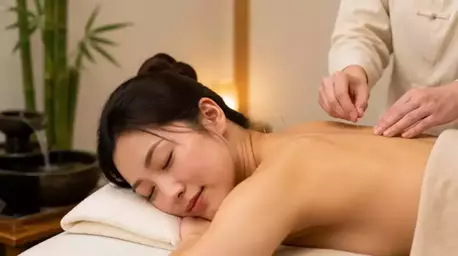
Overall Efficacy
Numerous studies indicate significant reductions in anxiety levels through acupoint therapy, reinforcing its role in holistic health.
Have you ever felt overwhelmed by anxiety, searching for a gentle and effective way to regain your balance? Acupoint therapy, deeply rooted in Traditional Chinese Medicine, offers a holistic approach to managing anxiety that could be the key to your well-being. As we explore its fundamentals and supporting evidence, you'll discover how this ancient practice can help you find calm amidst the chaos.
Review of evidence-based research highlights the efficacy of acupoint therapy in reducing anxiety symptoms and promoting overall wellness. For a deeper understanding of its healing potential, consider understanding acupuncture's healing benefits.
Numerous studies indicate significant reductions in anxiety levels through acupoint therapy, reinforcing its role in holistic health.
Considered safe for a wide range of populations; minimal side effects reported, enhancing accessibility for many.
Beyond anxiety relief, it contributes to improved sleep, increased relaxation, and better emotional regulation.
Consistency in practice enhances benefits over time, establishing a foundation for managing anxiety effectively.
Have you ever felt overwhelmed by anxiety? It's a common experience, and many people seek ways to find balance and calm. At Gentle Qi Traditions, we believe in the power of acupoint therapy as a gentle and effective approach to managing anxiety. Understanding how this ancient practice works can empower you to take charge of your well-being.
In this section, we will explore the fundamentals of acupoint therapy, how it relates to Traditional Chinese Medicine (TCM), and the evidence supporting its use for anxiety relief. By the end, you’ll have a clearer picture of how acupoint therapy can fit into your wellness journey!
Acupoint therapy is a holistic practice that focuses on specific points on the body to promote healing and balance. These points, known as acupoints, are believed to influence the flow of energy, or Qi, throughout the body. By stimulating these points through various techniques, individuals can experience a sense of relief and relaxation, especially when it comes to managing anxiety.
Whether through acupuncture, which uses needles, or acupressure, which applies gentle pressure, the goal remains the same: to restore harmony within the body. This foundational concept of energy flow is crucial in understanding how acupoint therapy can alleviate anxiety symptoms. You can explore more about these techniques to achieve daily calm through acupressure techniques.
When exploring acupoint therapy, you might come across two primary methods: acupuncture and acupressure. While both aim to stimulate acupoints, they do so in different ways:
Both methods have their unique benefits, and at Gentle Qi Traditions, we often encourage individuals to explore which technique resonates best with them. It's about finding what works for your body and mind!
Traditional Chinese Medicine (TCM) serves as the guiding philosophy behind acupoint therapy. TCM views the body as an interconnected system, where physical health, emotional well-being, and environmental factors all play a role. This holistic lens helps practitioners identify imbalances that may contribute to anxiety.
In TCM, the concept of Qi is central to understanding health. When Qi flows freely, we experience good health. However, blockages can lead to discomfort and anxiety. Through acupoint therapy, we aim to clear these blockages, allowing energy to flow smoothly and restoring peace within.
Research has shown promising results regarding the effectiveness of acupoint therapy for anxiety relief. Various randomized controlled trials (RCTs) have demonstrated notable improvements in anxiety levels among participants who received acupoint therapy compared to those who did not. These studies highlight the potential of this ancient practice in modern wellness.
As I delve deeper into the research, it becomes evident that more people are beginning to recognize the value of these gentle techniques. Evidence is building, and it's an exciting time for those interested in holistic health!
Meta-analyses have compiled data from multiple studies, providing a clearer picture of acupoint therapy's efficacy. The findings suggest that acupoint therapy can lead to significant reductions in anxiety symptoms, making it a valuable option for those seeking natural relief.
As we look toward these results, it's essential to recognize that acupoint therapy is not a one-size-fits-all solution. Individual experiences may vary, but the overall trend points toward its effectiveness.
Many individuals have reported positive outcomes after incorporating acupoint therapy into their anxiety management routines. Common benefits include reduced feelings of restlessness, improved mood, and enhanced relaxation. These outcomes are not just anecdotal; they are supported by a growing body of research.
At Gentle Qi Traditions, we celebrate these stories and encourage individuals to share their experiences. Each journey is unique, and together, we can foster a supportive community focused on holistic wellness!
Understanding the physiological mechanisms behind acupoint therapy can help demystify its benefits. One of the key areas impacted is the HPA axis, which plays a crucial role in regulating stress hormones. By stimulating certain acupoints, therapy may help normalize the body's stress response.
As stress hormones are regulated, individuals may find relief from anxiety symptoms. This connection highlights the importance of addressing both the mind and body when seeking wellness solutions.
Neurobiological research has shown that acupoint therapy can affect neurotransmitter levels in the brain. For instance, increasing serotonin levels can lead to improved mood and reduced anxiety. Understanding these biochemical changes helps us appreciate the profound impact of acupoint therapy.
By engaging with the body’s natural processes, we can cultivate a calmer, more balanced state of mind. It’s all about tapping into that inner peace!
The concept of Qi is central to both TCM and acupoint therapy. When Qi flows freely, it nourishes our body and mind, helping us cope with stress. Blockages or imbalances can lead to anxiety and discomfort.
Through acupoint therapy, we aim to restore balance and facilitate the smooth flow of energy. This not only promotes physical health but also fosters emotional well-being. It's a beautiful cycle of healing!
Specific acupoints have been identified as particularly effective in managing anxiety. Here are a few key ones to consider:
Exploring these acupoints can be an empowering step in your journey toward anxiety management!
Innovative approaches, such as combining acupoint massage and electroacupuncture, have emerged in the field. These methods can enhance the effectiveness of traditional techniques and provide varied options for individuals.
Whether you prefer gentle manual techniques or the precision of electroacupuncture, both methods can be integrated into a personalized wellness routine. This adaptability is one of the many strengths of acupoint therapy!
Knowing how to locate acupoints effectively is essential for successful therapy. Here are some techniques to help you:
As you explore these techniques, you’ll feel more confident in your ability to apply acupoint therapy effectively! Find out more about acupoint techniques for better sleep, which can also help with anxiety management.
Did you know that combining acupoint therapy with mindfulness practices can enhance your anxiety management? Techniques such as deep breathing or meditation while focusing on specific acupoints can amplify the calming effects and create a more profound sense of relaxation. Consider incorporating these mindful moments into your acupoint therapy sessions for optimal results!
As we dive into the world of acupoint therapy, it’s essential to take a moment to reflect on its profound impact on anxiety management. The evidence-based research surrounding this practice provides a clear picture of its effectiveness and the positive outcomes experienced by many. From clinical studies to personal stories, the data suggests that acupoint therapy, whether through acupuncture or acupressure, offers a gentle yet powerful approach to alleviating anxiety symptoms.
In reviewing key findings, we can see the overall efficacy of acupoint therapy is not just anecdotal; it’s supported by structured studies. For instance, a range of randomized controlled trials (RCTs) has shown significant reductions in anxiety levels among participants. These insights underline how acupoint therapy works harmoniously within the framework of Traditional Chinese Medicine (TCM) to address emotional and physical well-being.
Understanding the broad effectiveness of acupoint therapy can help individuals make informed decisions about their health. Here are some crucial insights from recent research:
These findings highlight not just the effectiveness of acupoint therapy, but its potential as a gentle, natural alternative for those seeking relief from anxiety. At Gentle Qi Traditions, we are passionate about sharing these benefits and empowering you to explore options that resonate with your wellness journey.
The insights gathered from evidence-based research are nothing short of encouraging. Many studies point to acupoint therapy as a viable method for managing anxiety, reinforcing its role in holistic health. For instance, research consistently indicates that patients experience noticeable drops in anxiety symptoms after engaging in regular sessions of acupoint therapy.
Moreover, these studies also emphasize how various techniques, such as acupuncture and acupressure, yield similar outcomes, allowing individuals to choose what suits them best. It’s exciting to see how these ancient practices gain recognition in modern wellness discussions!
Another significant aspect of acupoint therapy is its safety and accessibility. Many individuals find this therapy a non-invasive option compared to conventional pharmaceutical treatments. This is particularly important for populations who may be sensitive to medications, such as the elderly or those with pre-existing health conditions.
At Gentle Qi Traditions, we believe everyone should have access to gentle healing practices that uplift their well-being. Whether you’re in Frome, Shepton Mallet, or nearby areas, local practitioners are available to support your journey.
The health benefits of acupoint therapy extend beyond just reducing anxiety. Engaging in these practices can lead to improved sleep, increased feelings of relaxation, and better emotional regulation. By integrating acupoint therapy into your routine, you open the door to a broader spectrum of wellness. Explore more about simple routines for stress relief to complement your treatments.
As you consider the potential benefits, think about how acupoint therapy can fit into your lifestyle. Embracing these ancient practices can help you cultivate a balanced and harmonious life, where anxiety becomes more manageable. It’s a journey worth exploring!
As we summarize the efficacy of acupoint therapy for anxiety management, it’s crucial to encourage ongoing exploration. Personal engagement with these practices can lead to long-term benefits that extend far beyond the immediate relief of anxiety symptoms.
By incorporating acupoint therapy into your wellness routine, you can foster a deeper connection to your body and mind. Taking the time to understand your unique needs is key! The journey toward wellness is personal, and consistency is vital to see lasting results.
Just like any wellness practice, the key to success with acupoint therapy lies in consistency. Regular sessions allow you to build upon the benefits, creating a solid foundation for managing anxiety. This could mean scheduling weekly appointments or practicing acupressure techniques at home.
By committing to this journey, you’ll likely find a profound transformation in your approach to anxiety. It’s about embracing small, gentle steps that lead to greater well-being!
As you contemplate the next steps in your wellness journey, consider how acupoint therapy can be seamlessly woven into your daily life. Whether through professional treatments or self-care techniques, there are ample opportunities to explore.
Start by identifying local practitioners in your area, such as those connected with Gentle Qi Traditions. Participating in a group class or workshop can also be a fantastic way to learn how to effectively apply these techniques. Remember, exploring acupoint therapy can be both fun and enlightening!
Lastly, don’t hesitate to seek guidance from health practitioners who specialize in Traditional Chinese Medicine. Their expertise can provide valuable insights tailored to your specific needs, ensuring you receive a personalized approach to your anxiety management. For a comprehensive look at the foundation of these practices, delve into exploring Traditional Chinese Medicine practices.
By embracing a collaborative approach, you empower yourself on this journey. Together, with the guidance of skilled practitioners, you can unlock the full potential of acupoint therapy in your life!
Here is a quick recap of the important points discussed in the article:
Lian Chen is a passionate advocate for Traditional Chinese Medicine (TCM) and holistic wellness. With years of experience in the field, Lian is dedicated to sharing the profound principles of TCM through gentle practices that empower individuals to enhance their well-being. Lian believes in the healing potential of acupressure, acupuncture, and mindful routines, and strives to inspire curiosity and understanding of these ancient traditions.