Exploring Traditional Chinese Medicine Practices
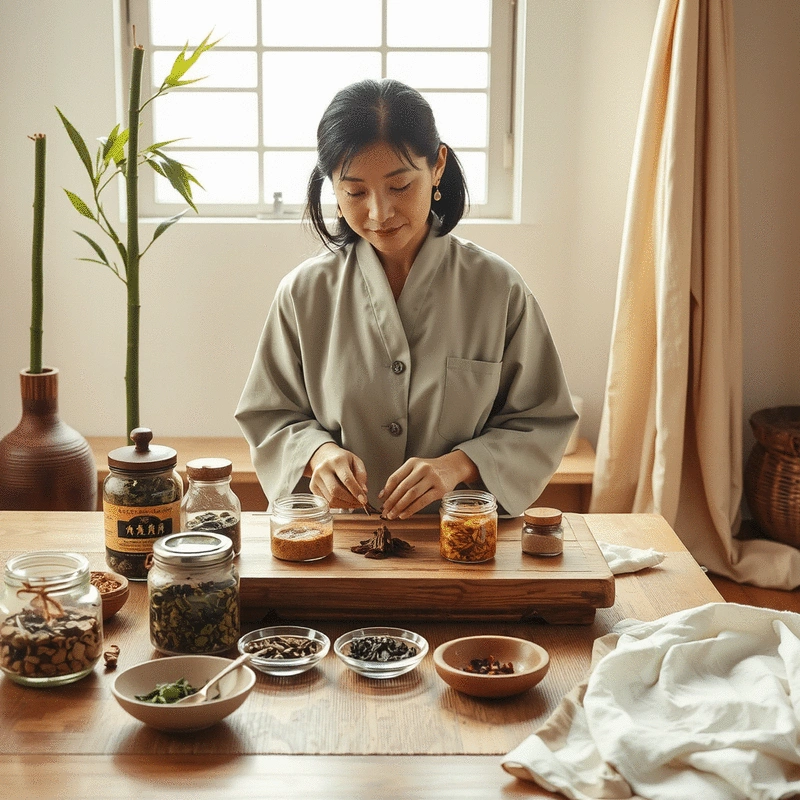
What if you could tap into ancient wisdom that has been healing people for thousands of years? The principles of Traditional Chinese Medicine (TCM) offer profound insights into achieving holistic health. By exploring its practices, you can enhance your overall well-being and find balance in your life.
What You Will Learn
- TCM emphasizes a holistic approach, treating the whole person rather than just symptoms.
- The concepts of Yin-Yang and Qi are fundamental to TCM, representing balance and life energy respectively.
- Acupuncture is a key practice in TCM that effectively alleviates pain, reduces stress, and enhances overall vitality.
- Herbal medicine in TCM uses natural remedies tailored to individual needs, focusing on restoring balance.
- Cupping therapy promotes blood flow and muscle relaxation, making it popular among athletes and those with chronic pain.
- Tui Na offers therapeutic massage techniques that improve circulation and relieve muscle tension.
- Gua Sha is gaining popularity for its benefits in skin health and muscle recovery, involving scraping techniques for improved circulation.
- The Meridian system in TCM serves as a roadmap for diagnosing and addressing health concerns through Qi flow.
- Pulse and tongue diagnosis are essential tools in TCM that provide insights into a person’s overall health.
- The Five Elements Theory links natural elements to our health and emotions, promoting balance and holistic well-being.
Key Wellness Practices in Traditional Chinese Medicine
Various wellness practices in TCM significantly contribute to health and balance. Below are the primary practices along with their benefits.
Acupuncture
- Pain Relief
- Stress Reduction
- Digestive Health
- Enhanced Immune Function
Herbal Medicine
- Adaptogens
- Detoxifying Herbs
- Digestive Aids
- Immune Boosters
Cupping
- Increased Circulation
- Muscle Relaxation
- Detoxification
Tui Na
- Relief from Muscle Pain
- Improved Mobility
- Stress Relief
Understanding Traditional Chinese Medicine Wellness Practices
As I delve into the world of Traditional Chinese Medicine or TCM, I find it essential to emphasize its rich history and the profound wisdom it offers. TCM isn't just a collection of practices; it’s a holistic approach to understanding and nurturing the body, mind, and spirit. Through the lens of TCM, we can explore how gentle yet powerful techniques can contribute to our overall wellness.
Defining Traditional Chinese Medicine (TCM)
At its core, Traditional Chinese Medicine is a comprehensive healthcare system that has been practiced for thousands of years. It emphasizes the interconnectedness of our physical health and emotional well-being. The goal of TCM is not just to treat symptoms but to identify the root causes of health issues and restore balance.
The Principles of TCM: Yin-Yang and Qi (Energy)
Two fundamental concepts in TCM are *Yin-Yang* and *Qi*. Yin and Yang represent opposite forces that need to be balanced for optimal health. For example, Yin is often associated with coolness and rest, while Yang relates to warmth and activity. Achieving harmony between these forces is vital!
Additionally, *Qi*, or life energy, flows through our bodies via pathways known as meridians. When Qi is balanced and flowing freely, we experience well-being. However, blockages or imbalances can lead to discomfort or illness. Understanding these principles allows us to embrace the essence of TCM and its healing potential.
How TCM Differs from Western Medicine Approaches
While Western medicine often focuses solely on treating symptoms, TCM takes a more holistic view. It considers how various aspects of life—such as diet, lifestyle, and emotional state—affect our health. With TCM, practitioners assess the entire person, not just the illness. Learn more about the comprehensive nature of TCM from official sources like China's State Council Information Office.
- Holistic Perspective: TCM emphasizes treating the whole person.
- Prevention: It promotes preventive care through healthy lifestyle choices.
- Natural Remedies: TCM relies heavily on natural treatments, such as herbs and acupuncture.
- Personalized Care: TCM recognizes that each individual is unique, and treatment plans are tailored accordingly.
Popular TCM Wellness Practices
Now that we understand the foundational concepts of TCM, let's explore some popular wellness practices that can enrich our well-being. These practices have been embraced for their effectiveness in restoring balance and promoting health. I can personally attest to the incredible benefits they offer!
Acupuncture: Techniques and Benefits for Holistic Health
Acupuncture is perhaps one of the most recognized aspects of TCM. This technique involves inserting thin needles into specific acupoints along the body’s meridians. It’s known to alleviate pain, reduce stress, and enhance overall vitality. For a deeper understanding of acupuncture and its benefits, explore resources from the National Center for Complementary and Integrative Health.
Some key benefits of acupuncture include:
- Pain Relief: Effective for various types of pain, including headaches and joint pain.
- Stress Reduction: Promotes relaxation and reduces anxiety.
- Digestive Health: Can improve digestive issues.
- Enhanced Immune Function: Supports the body’s natural defenses.
Herbal Medicine: Understanding the Role of Natural Remedies
In TCM, herbal medicine plays a crucial role in restoring balance. Practitioners use a variety of herbs that are carefully selected to address individual health concerns. These natural remedies can support various bodily functions and enhance overall wellness.
- Adaptogens: Herbs that help the body adapt to stress.
- Detoxifying Herbs: Support the body's natural detoxification processes.
- Digestive Aids: Improve digestive health and nutrient absorption.
- Immune Boosters: Enhance overall immune function.
Cupping and Its Therapeutic Advantages
Cupping therapy involves the application of suction cups on the skin to promote blood flow and relieve muscle tension. This ancient practice can be particularly beneficial for athletes or anyone experiencing chronic pain.
Some benefits of cupping therapy include:
- Increased Circulation: Promotes blood flow to affected areas.
- Muscle Relaxation: Helps release tension in tight muscles.
- Detoxification: Assists in removing toxins from the body.
Tui Na: A Comprehensive Approach to Massage Therapy
Tui Na is a form of therapeutic massage integral to TCM. It focuses on manipulating the body’s soft tissues to alleviate pain and improve circulation. This practice can be tailored to each individual's needs, making it a wonderfully adaptable treatment.
Key benefits of Tui Na include:
- Relief from Muscle Pain: Effective for various types of musculoskeletal pain.
- Improved Mobility: Enhances flexibility and range of motion.
- Stress Relief: Induces a sense of calm and relaxation.
Gua Sha: Techniques for Skin Health and Wellness
Gua Sha involves scraping the skin with a smooth-edged tool to improve circulation and promote healing. This technique is gaining popularity for its benefits, particularly for skin health and muscle recovery.
- Increased Blood Flow: Helps rejuvenate the skin and promote healing.
- Muscle Tension Relief: Relieves tight muscles and reduces pain.
- Facial Gua Sha: Enhances skin tone and reduces puffiness.
Moxibustion: Utilizing Heat in Healing
Moxibustion is a TCM practice involving the burning of mugwort near acupuncture points to enhance healing. This technique is often used to warm areas of the body and improve the flow of Qi.
Benefits of moxibustion include:
- Pain Relief: Reduces joint and muscle pain.
- Improved Digestion: Supports digestive health.
- Enhanced Warmth: Particularly beneficial for individuals with cold conditions.
Understanding TCM Theories and Diagnostics
To truly appreciate TCM, it's important to understand its diagnostic methods and theories. These practices delve deeper into how our bodies communicate health conditions through various signs.
Introducing the Meridian System and Jing Luo (Channels and Collaterals)
The *meridian system* is central to TCM, as it outlines the pathways through which Qi flows. There are twelve primary meridians, each corresponding to specific organs and functions in the body.
Understanding how these channels operate allows us to address health concerns effectively. It’s like a roadmap guiding us towards balance!
Pulse Diagnosis and Tongue Diagnosis: Insights into Your Health
In TCM, pulse and tongue diagnoses are important tools for understanding a person's health. By examining the pulse's quality and the tongue's appearance, practitioners can gather valuable insights into the body's state.
- Pulse Diagnosis: Reveals information about internal organ health and energy flow.
- Tongue Diagnosis: Provides visual indicators of health, including color and coating.
Five Elements Theory: Balancing the Body's Energy
The *Five Elements Theory* is another essential component of TCM, linking the natural world to our health. Each element—Wood, Fire, Earth, Metal, and Water—corresponds to specific emotions, organs, and physical functions. This ancient theory helps explain the interconnectedness of human physiology and the natural world, as detailed by the National Health Commission of the People's Republic of China.
By understanding these elements, we can make informed decisions to support our health. This approach not only addresses physical symptoms but also encourages emotional well-being.
As we explore these TCM principles and practices, I hope you feel inspired to embrace their potential. At Gentle Qi Traditions, we believe in the power of these ancient practices to enhance our modern lives and promote holistic health. Are you ready to embark on your wellness journey?
Pro Tip
To maximize the benefits of Traditional Chinese Medicine, consider integrating mindfulness practices into your routine. Techniques such as meditation or tai chi can enhance the flow of Qi and further promote balance in your body, mind, and spirit. Pairing these practices with TCM treatments can amplify their effectiveness and lead to a deeper sense of overall well-being.
Engaging with TCM Wellness Practices: FAQs and Common Concerns
As we delve deeper into the world of Traditional Chinese Medicine, you might have some questions about what to expect. One common area of curiosity is acupuncture, a key practice in TCM. Understanding what happens during your first session can alleviate any anxiety and enhance your experience!
When you arrive for your initial acupuncture appointment, the practitioner will take time to discuss your health history and current symptoms. This conversation is crucial as it helps the practitioner tailor the treatment to your unique needs. Afterward, you will be guided to a calm space where the acupuncture will occur, often surrounded by soft lighting and soothing sounds.
What to Expect During Your First Acupuncture Session
Your first acupuncture session can be both exciting and a bit nerve-wracking. Here’s a quick rundown of what to expect:
- A detailed discussion of your health history.
- Pulse and tongue diagnosis to gain insights into your overall health.
- Insertion of fine needles at specific acupoints to stimulate healing.
- Relaxation during the treatment, which typically lasts about 30 to 60 minutes.
- A post-treatment discussion about your experience and next steps.
Many people find the sensations during treatment to be calming and even pleasant! It's always helpful to communicate with your acupuncturist, especially if you have any concerns.
Are There Any Risks Associated with TCM Practices?
While TCM practices are generally safe, it’s wise to be aware of potential risks. Just like any form of treatment, there can be some side effects or concerns. However, being informed can help you make the best decisions for your health!
Some possible risks associated with TCM practices include:
- Minor bruising or soreness from acupuncture needles.
- Allergic reactions to herbal remedies.
- Infections if the practitioner does not follow hygienic practices.
At Gentle Qi Traditions, we emphasize the importance of selecting a qualified practitioner who follows safety protocols. This way, you can focus on the benefits of TCM without worry!
Frequently Asked Questions About Traditional Chinese Medicine
- What is Traditional Chinese Medicine (TCM)?
- TCM is a comprehensive healthcare system practiced for thousands of years that focuses on the interconnectedness of physical health, emotional well-being, and lifestyle. Its goal is to identify root causes of health issues and restore balance rather than just treating symptoms.
- What are the fundamental concepts of TCM?
- The two fundamental concepts are Yin-Yang, representing opposing forces that need to be balanced for optimal health (e.g., coolness/rest vs. warmth/activity), and Qi (life energy), which flows through the body via meridians. Balanced Qi flow leads to well-being.
- How does TCM differ from Western medicine?
- TCM takes a holistic approach, considering diet, lifestyle, and emotional state, and focuses on preventive care and natural remedies. Western medicine often focuses on treating symptoms and specific diseases. TCM also offers personalized care tailored to each individual.
- What are some popular TCM wellness practices?
- Popular practices include Acupuncture (for pain relief, stress reduction, digestive health), Herbal Medicine (using adaptogens, detoxifying herbs, digestive aids, immune boosters), Cupping (for circulation, muscle relaxation, detoxification), Tui Na (therapeutic massage for pain relief, mobility, stress relief), Gua Sha (for skin health, muscle recovery), and Moxibustion (using heat for pain relief, digestion, warmth).
- What diagnostic methods does TCM use?
- TCM practitioners use pulse diagnosis (examining pulse quality for organ health and energy flow) and tongue diagnosis (observing tongue appearance for visual health indicators). They also consider the Meridian System and the Five Elements Theory to understand internal body dynamics.
- Are there any risks associated with TCM practices?
- While generally safe, potential risks include minor bruising from acupuncture, allergic reactions to herbal remedies, or infections if hygiene protocols are not followed. It's crucial to choose a qualified and licensed practitioner to minimize these risks.
- How can I find a qualified TCM practitioner?
- Look for licensed practitioners with good reviews. Inquire about their specialties (e.g., acupuncture, herbal medicine, cupping) and their approach to ensure it aligns with your values. Local directories, recommendations, and health fairs can also help in finding suitable practitioners.
Taking Action Towards Your Wellness Journey
Embarking on your TCM wellness journey is an exciting step! But how do you find the right practitioner who understands your needs? The journey can feel daunting, but I’m here to help guide you through it!
How to Choose the Right TCM Practitioner for Your Needs
Finding a TCM practitioner who resonates with you is essential for a positive experience. Consider the following tips as you search:
- Look for licensed practitioners with good reviews.
- Inquire about their specialties, such as acupuncture, herbal medicine, or cupping.
- Ask about their approach and philosophy to ensure it aligns with your values.
Connecting with local practitioners in Frome, Shepton Mallet, or surrounding areas can be a great way to start your journey. This ensures you not only receive expert care but also build a supportive community around you.
Resources for Continuing Your TCM Education
Staying informed about TCM can empower your wellness journey. Here are some valuable resources to deepen your understanding:
Books, Websites, and Online Courses
- Books: "The Web That Has No Weaver" by Ted J. Kaptchuk offers an excellent introduction to TCM.
- Websites: The National Center for Complementary and Integrative Health provides research-based information on TCM practices.
- Online Courses: Platforms like Coursera and Udemy offer courses on TCM principles for beginners.
At Gentle Qi Traditions, we also share insightful articles and resources aimed at nurturing your understanding of TCM. Explore our site for more inspiration!
Contact Us for Personalized Wellness Plans
If you’re ready to take the next step, our team at Gentle Qi Traditions is here to support you! We can help you craft a personalized wellness plan that includes various TCM practices suited to your lifestyle.
Connecting with TCM Clinics in Your Area
Finding a TCM clinic nearby is easier than you think! Here are a few ways to connect:
- Search local directories or community boards online.
- Ask friends or family for recommendations based on their experiences.
- Visit local health fairs or wellness events to meet practitioners.
Finding Chinese Medicine Associations and Schools
Joining associations or attending schools focused on TCM can also be a fantastic way to learn more. They often offer workshops, seminars, and networking opportunities that can enrich your wellness journey. Remember, every step you take towards understanding TCM brings you closer to a balanced, healthier life!
Recap of Key Points
Here is a quick recap of the important points discussed in the article:
- Holistic Approach: TCM focuses on treating the whole person by addressing the interconnectedness of physical health, emotional well-being, and lifestyle choices.
- Yin-Yang and Qi: Understanding the balance of Yin and Yang and the flow of Qi is essential for achieving optimal health.
- Popular Practices: Key TCM practices include acupuncture, herbal medicine, cupping, Tui Na massage, Gua Sha, and moxibustion, each offering unique benefits for overall wellness.
- Diagnostic Techniques: TCM utilizes pulse and tongue diagnosis, alongside the Meridian System, to gain insights into a person's health and tailor treatments accordingly.
- Safety Considerations: Awareness of potential risks such as minor bruising or allergic reactions can enhance the experience and outcome of TCM practices.
- Finding the Right Practitioner: Look for licensed practitioners, inquire about their specialties, and ensure their approach aligns with your wellness goals for a positive experience.
- Continuing Education: Engage with resources like books, websites, and online courses to further understand TCM and its benefits.

Lian Chen
Lian Chen is a passionate advocate for Traditional Chinese Medicine (TCM) and holistic wellness. With years of experience in the field, Lian is dedicated to sharing the profound principles of TCM through gentle practices that empower individuals to enhance their well-being. Lian believes in the healing potential of acupressure, acupuncture, and mindful routines, and strives to inspire curiosity and understanding of these ancient traditions.
Popular Posts
Relaxing with Herbal Baths
![Relaxing with Herbal Baths]() Have you ever considered how something as simple as a bath can transform your mental and physical we
Have you ever considered how something as simple as a bath can transform your mental and physical we
 Have you ever considered how something as simple as a bath can transform your mental and physical we
Acupoints and Chronic Pain Relief
![Acupoints and Chronic Pain Relief]() Chronic pain impacts millions, often leading to frustration and a diminished quality of life. As we
Chronic pain impacts millions, often leading to frustration and a diminished quality of life. As we
 Chronic pain impacts millions, often leading to frustration and a diminished quality of life. As we
Simple Wellness Routines for Immunity
![Simple Wellness Routines for Immunity]() Have you ever considered how small, consistent wellness practices could lead to significant improvem
Have you ever considered how small, consistent wellness practices could lead to significant improvem
 Have you ever considered how small, consistent wellness practices could lead to significant improvem
Acupoint Techniques for Better Focus
![Acupoint Techniques for Better Focus]() Are you ready to unlock your full potential? Discover the transformative power of acupressure, a pra
Are you ready to unlock your full potential? Discover the transformative power of acupressure, a pra
 Are you ready to unlock your full potential? Discover the transformative power of acupressure, a pra
