Relaxing with Herbal Baths
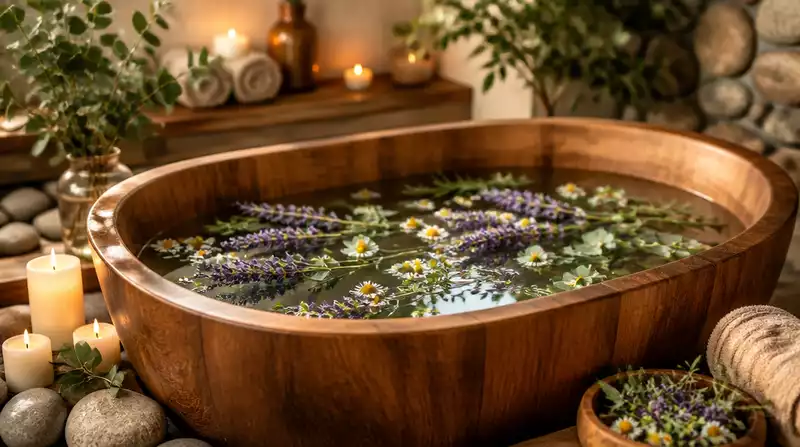
Have you ever considered how something as simple as a bath can transform your mental and physical well-being? The practice of herbal baths is steeped in tradition and offers a wealth of benefits that can enhance your self-care routine.
What You Will Learn
- Herbal baths combine warm water and healing herbs to promote relaxation and overall wellness.
- Essential oils and nutrients from herbs can enhance circulation and relieve muscle tension when absorbed through the skin.
- Specific herbs like chamomile, valerian root, and lavender can help alleviate stress, improve sleep quality, and soothe sore muscles.
- Incorporating Epsom and Dead Sea salts into baths can provide additional muscle relief and skin nourishment.
- The ideal amount of dried herbs for a bath is 1-2 cups, while 2-4 cups of fresh herbs can create a stronger infusion.
- Optimal bathing temperature is between 98°F to 104°F, with a recommended soak duration of 20 to 30 minutes for the best experience.
- Pregnant individuals and those with sensitive skin should consult a healthcare professional before using herbal baths.
- Creating a personalized herbal bath ritual can be a cherished practice that nurtures both body and mind.
Herbal Bath Benefits Overview
Explore the diverse benefits of herbal baths, showcasing key herbs and their effects on relaxation, sleep, muscle recovery, and skin health.
Promoting Relaxation and Stress Relief
- Chamomile: Calms and soothes.
- Lemon balm: Reduces anxiety.
- Rose petals: Uplifting aroma.
Supporting Better Sleep and Muscle Recovery
- Valerian root: Enhances sleep quality.
- Peppermint: Relieves muscle tension.
- Lavender: Promotes calmness.
Enhancing Skin Health and Soothing Irritation
- Calendula: Soothes irritated skin.
- Aloe vera: Hydrates the skin.
- Chamomile: Calms inflammation.
Utilizing Salts for Muscle Relief
- Epsom salt: Supports muscle relaxation.
- Dead Sea salt: Nourishes the skin.
Understanding Herbal Baths for Relaxation and Wellness
Defining Herbal Baths and Their Purpose
Have you ever wondered what makes an herbal bath so special? Herbal baths combine the soothing effects of warm water with the healing properties of various herbs. They serve a vital role in promoting relaxation, easing stress, and enhancing overall wellness. Imagine stepping into a tub filled with fragrant herbs, where the warm water gently envelops you, creating a serene escape from daily pressures.
At Gentle Qi Traditions, we believe that engaging with these ancient practices can be a wonderful addition to your self-care routine. Herbal baths not only nourish the body but also nurture the mind and spirit. It’s like a mini-retreat in the comfort of your home, inviting tranquility and wellness into your life. For more insights into traditional wellness practices, consider exploring Traditional Chinese Medicine practices.
The Science Behind Herbal Baths: How They Work
So, how do herbal baths actually work? The magic lies in the infusion of herbs, where essential oils, nutrients, and healing properties are released into the water. When you soak in the bath, your skin absorbs these beneficial compounds, allowing them to interact with your body. This process can enhance circulation, relieve muscle tension, and promote a deeper sense of relaxation.
Research shows that certain compounds found in herbs can also affect the brain’s chemistry. For example, lavender is known for its calming properties, which can help alleviate anxiety and improve mood. As you soak, breathe in the aromatic scents, allowing them to work their magic not just on the skin, but also on the mind!
Exploring the Benefits of Herbal Baths
Promoting Relaxation and Stress Relief
One of the most well-known benefits of herbal baths is their ability to promote relaxation and relieve stress. By immersing yourself in a warm herbal bath, you can create a sanctuary from the outside world. The warmth of the water combined with the soothing properties of herbs allows your mind to unwind and your body to let go of tension.
- Chamomile: Known for its calming effects.
- Lemon balm: Helps reduce anxiety and stress.
- Rose petals: Offers a gentle, uplifting aroma.
As you explore herbal baths, consider incorporating these herbs into your routine. Each bath can become a journey toward tranquility, inviting a peaceful atmosphere that supports your well-being. Let each soak remind you that self-care is essential!
Supporting Better Sleep and Muscle Recovery
Struggling with sleep or feeling sore after a long day? Herbal baths can be a fantastic solution! Specific herbs have been shown to aid in enhancing sleep quality and relieving muscle tension. For instance, valerian root is often used to promote relaxation, while peppermint can help soothe sore muscles. To further improve your sleep, you might also consider acupoint techniques for better sleep.
- Valerian root: Supports deeper sleep and relaxation.
- Peppermint: Relieves muscle tension and headaches.
- Lavender: Enhances sleep quality and promotes calmness.
By integrating these herbs into your bath, you can create a ritual that not only relaxes you but also prepares your body for a restful night. Imagine drifting off to sleep with the calming scent of lavender lingering in your senses—pure bliss!
Enhancing Skin Health and Soothing Irritation
Herbal baths aren’t just about relaxation; they can also be a wonderful way to support skin health. Many herbs have properties that nourish and soothe the skin. For example, calendula is known for its healing properties, making it a great choice for irritated skin.
- Calendula: Soothes irritated skin and promotes healing.
- Aloe vera: Hydrates and nurtures the skin.
- Chamomile: Calms inflammation and redness.
As you consider herbal baths, remember that the right herbs can help you care for your skin while enhancing your overall well-being. Incorporating these soothing elements can transform your bathing experience into an act of self-love, inviting you to embrace relaxation and rejuvenation.
Utilizing Epsom Salt and Dead Sea Salt for Muscle Relief
Let’s not forget the incredible benefits of adding salts to your herbal baths! Epsom salt and Dead Sea salt are fantastic additions that can enhance muscle recovery. Epsom salt is known for its high magnesium content, which can help relax muscles and reduce inflammation.
- Epsom salt: Supports muscle relaxation and eases soreness.
- Dead Sea salt: Rich in minerals that nourish and revitalize the skin.
By combining these salts with your chosen herbs, you’ll create a powerful mixture that not only calms the mind but also supports the body’s recovery. Imagine stepping out of a warm bath, feeling refreshed and rejuvenated—ready to take on the world!
Pro Tip
For an enhanced herbal bath experience, consider creating a herbal sachet. Simply fill a muslin bag with your chosen dried herbs and steep it in the bathwater. This method not only keeps your tub clean but allows for easy removal and a concentrated infusion of the herbs' benefits. Plus, you can easily switch herbs based on your mood or needs!
Common Questions About Herbal Baths
How Much Herb Should Be Used in a Bath?
When it comes to preparing an herbal bath, the quantity of herbs you use can greatly affect your experience! A general guideline is to utilize between 1 to 2 cups of dried herbs for a standard-sized bathtub. If you're using fresh herbs, about 2 to 4 cups should suffice. Remember, the goal is to create a fragrant and therapeutic soak without overwhelming the senses.
It’s always a good idea to start with a smaller amount and adjust based on your preferences. If you're just beginning to explore the world of herbal baths, choosing gentler herbs like chamomile or lavender can ensure a soothing experience. These herbs not only smell fantastic but also have calming effects on the mind. For broader benefits, consider how understanding acupuncture's healing benefits can complement your wellness journey.
- 1-2 cups of dried herbs for a standard bath
- 2-4 cups of fresh herbs for a more potent infusion
- Start small and adjust to taste!
What is the Ideal Water Temperature and Soak Duration?
The right temperature can make all the difference in your herbal bath experience! Ideally, you want the water to be around 98°F to 104°F (37°C to 40°C). This range is warm enough to relax muscles but not too hot to cause discomfort. You can test the water with your wrist to ensure it's comfortable for you.
For soak duration, I recommend aiming for about 20 to 30 minutes. This time allows the herbs to release their beneficial properties while giving your body a chance to unwind. Listen to your body—if you start to feel too warm or uncomfortable, it's perfectly fine to step out a bit earlier!
- Water temperature: 98°F to 104°F (37°C to 40°C)
- Soak duration: 20 to 30 minutes
- Adjust based on your comfort level
Who Should Avoid Herbal Baths?
While herbal baths can be incredibly soothing, there are some individuals who should exercise caution. For instance, those who are pregnant or have sensitive skin may want to consult with a healthcare professional before indulging in herbal baths. Certain herbs can cause reactions, so it’s always safer to err on the side of caution.
Additionally, if you have specific allergies to plants or herbs, it’s essential to know which ingredients are in your bath. A simple patch test can help determine if the herbs are suitable for your skin. Listening to your body is key to enjoying these gentle wellness practices!
- Pregnant individuals should consult a healthcare provider
- People with sensitive skin may need to be cautious
- Those with specific allergies to herbs should avoid using them
Frequently Asked Questions About Herbal Baths
Here are some common questions about herbal baths to help you get started:
- What are herbal baths? Herbal baths combine warm water with healing herbs to promote relaxation, ease stress, and enhance overall wellness.
- How do herbal baths benefit the body? The skin absorbs essential oils and nutrients from the herbs, which can improve circulation, relieve muscle tension, and promote relaxation.
- Which herbs are best for relaxation and sleep? Chamomile, lemon balm, and rose petals are great for relaxation, while valerian root, peppermint, and lavender can help with sleep and muscle recovery.
- Can herbal baths help with skin issues? Yes, herbs like calendula, aloe vera, and chamomile can soothe irritated skin, hydrate, and calm inflammation.
- How much herb should I use in a bath? Use 1-2 cups of dried herbs or 2-4 cups of fresh herbs for a standard bath. Adjust the quantity based on your preference.
- What is the ideal water temperature and duration for an herbal bath? The ideal water temperature is 98°F to 104°F (37°C to 40°C), and a soak duration of 20 to 30 minutes is recommended.
- Are there any precautions for herbal baths? Pregnant individuals, those with sensitive skin, or people with specific herb allergies should consult a healthcare professional before using herbal baths.
Summarizing the Wellness Benefits of Herbal Baths
Recap of Herbal Bath Essentials for Relaxation
In summary, herbal baths offer a unique and effective way to promote relaxation and overall wellness. From calming chamomile to soothing lavender, the right herbs can transform your bath into a peaceful retreat. Remember the key points we discussed: appropriate herb quantities, optimal soak temperatures, and awareness of personal sensitivities.
Incorporating these practices into your life can enhance your self-care routine and foster a deeper connection to your body and mind. Taking the time to create a calming bath can become a cherished ritual that nurtures your well-being.
Encouragement to Embrace Herbal Baths as Part of Your Wellness Routine
I wholeheartedly encourage you to integrate herbal baths into your self-care practices! You deserve moments of relaxation and tranquility amidst the busyness of everyday life. By choosing herbs that resonate with you, you can craft a personalized experience that not only soothes but also revitalizes. For more ways to enhance your daily calm, explore acupressure techniques for daily calm.
So, why not treat yourself this week? Set aside some time for a soothing herbal bath and allow the gentle warmth and calming scents to wash over you. Let the wisdom of traditional practices guide you toward a more balanced and harmonious life!
Recap of Key Points
Here is a quick recap of the important points discussed in the article:
- Herbal baths combine warm water with therapeutic herbs to promote relaxation and wellness.
- Key herbs for relaxation include chamomile, lemon balm, and rose petals, while valerian root and peppermint support better sleep and muscle recovery.
- Herbs like calendula and aloe vera can enhance skin health and soothe irritation.
- Adding Epsom salt or Dead Sea salt can further aid muscle relaxation and skin nourishment.
- Use 1-2 cups of dried herbs or 2-4 cups of fresh herbs for a standard bath, adjusting based on personal preference.
- Optimal water temperature for herbal baths is between 98°F and 104°F, with a soak duration of 20 to 30 minutes.
- Consult a healthcare professional if pregnant, have sensitive skin, or are allergic to specific herbs.

Lian Chen
Lian Chen is a passionate advocate for Traditional Chinese Medicine (TCM) and holistic wellness. With years of experience in the field, Lian is dedicated to sharing the profound principles of TCM through gentle practices that empower individuals to enhance their well-being. Lian believes in the healing potential of acupressure, acupuncture, and mindful routines, and strives to inspire curiosity and understanding of these ancient traditions.
Popular Posts
Relaxing with Herbal Baths
![Relaxing with Herbal Baths]() Have you ever considered how something as simple as a bath can transform your mental and physical we
Have you ever considered how something as simple as a bath can transform your mental and physical we
 Have you ever considered how something as simple as a bath can transform your mental and physical we
Acupoints and Chronic Pain Relief
![Acupoints and Chronic Pain Relief]() Chronic pain impacts millions, often leading to frustration and a diminished quality of life. As we
Chronic pain impacts millions, often leading to frustration and a diminished quality of life. As we
 Chronic pain impacts millions, often leading to frustration and a diminished quality of life. As we
Simple Wellness Routines for Immunity
![Simple Wellness Routines for Immunity]() Have you ever considered how small, consistent wellness practices could lead to significant improvem
Have you ever considered how small, consistent wellness practices could lead to significant improvem
 Have you ever considered how small, consistent wellness practices could lead to significant improvem
Acupoint Techniques for Better Focus
![Acupoint Techniques for Better Focus]() Are you ready to unlock your full potential? Discover the transformative power of acupressure, a pra
Are you ready to unlock your full potential? Discover the transformative power of acupressure, a pra
 Are you ready to unlock your full potential? Discover the transformative power of acupressure, a pra
