Self-Care Through Acupoint Mapping
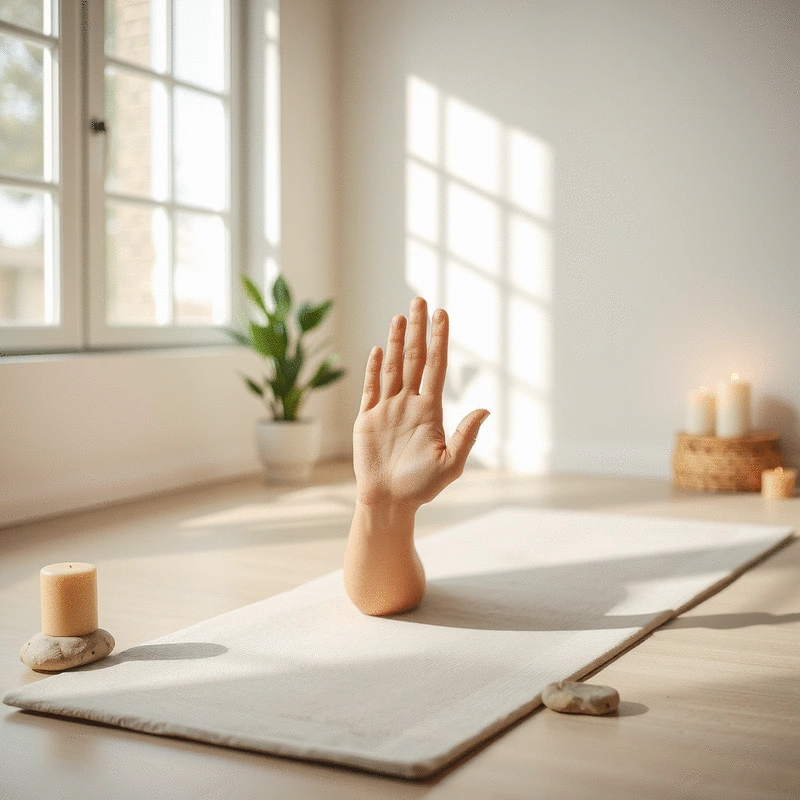
Have you ever felt overwhelmed by stress and wished for a simple way to regain your sense of calm? Acupoint mapping offers an ancient yet practical approach to self-care that empowers you to tap into your body’s natural healing abilities. With the right knowledge, you can transform your wellness routine and embrace a healthier, more balanced life.
What You Will Learn
- Gain a foundational understanding of acupressure, its historical significance, and its roots in Traditional Chinese Medicine (TCM).
- Learn how to distinguish between acupressure and acupuncture, empowering you to integrate this gentle technique into your self-care routine.
- Discover specific acupressure points that can help alleviate stress, improve sleep, and enhance energy levels.
- Understand the concept of Qi and its importance in maintaining overall health and well-being, using acupressure to facilitate its flow.
- Explore personalized acupoint mapping techniques tailored to your individual wellness needs and preferences.
- Identify assessment tools, such as journaling and body mapping, to help you choose the most suitable acupressure points for your self-care routine.
- Learn how to integrate acupressure with other self-care practices, such as diet, mindfulness, and massage therapy, for a holistic approach to wellness.
- Find answers to common questions about acupoint mapping, ensuring you navigate your self-care journey with confidence and clarity.
Key Acupressure Points for Wellness
Explore the significant acupressure points and their corresponding wellness benefits below.
Yintang
Located between the eyebrows, this point promotes relaxation.
PC8
Found in the center of the palm, it helps relieve anxiety.
ST36
Located below the knee, it supports digestion and energy levels.
Liver Meridian
Connected to detoxification and emotional balance.
Heart Meridian
Governs circulation and emotional well-being.
Spleen Meridian
Supports digestion and energy production.
Understanding Acupoint Mapping in Self-Care
Have you ever wondered how a simple touch can lead to relaxation and well-being? Understanding acupoint mapping is the key to unlocking the potential of your body’s energy. By learning about this ancient practice, you can take a proactive approach to your self-care journey, much like the mission of Gentle Qi Traditions to educate and empower individuals in exploring wellness through Traditional Chinese Medicine (TCM).
Defining Acupressure and Its Historical Context
Acupressure is a gentle, hands-on technique that involves applying pressure to specific points on the body, known as acupoints. This practice has its roots in TCM, which dates back thousands of years. As we delve into acupressure, it’s essential to recognize that each point corresponds to different organs and systems, helping to balance the flow of Qi (pronounced "chee"), or energy, throughout the body.
The historical context of acupressure reveals its significance in promoting health. For centuries, practitioners have used it to alleviate pain, reduce stress, and support overall wellness. It’s fascinating to think of how these ancient techniques are just as relevant today! The beauty lies in their accessibility, allowing anyone to practice acupressure at home.
Introduction to Traditional Chinese Medicine (TCM)
Traditional Chinese Medicine is a holistic approach to health that encompasses various practices, including acupuncture, herbal medicine, and dietary therapy. At its core, TCM believes in maintaining harmony within the body, mind, and spirit. By recognizing the interconnectedness of these elements, we can better understand how acupressure fits into the larger framework of wellness.
As you explore TCM, you’ll find that it emphasizes prevention and encourages self-care. This aligns perfectly with our goal at Gentle Qi Traditions to create a supportive community where individuals can learn about gentle wellness routines. TCM teaches us that we can enhance our well-being through mindful practices.
Distinguishing Acupressure from Acupuncture
While both acupressure and acupuncture share similar principles, they differ in their application. Acupressure uses fingers, palms, or elbows to apply pressure to acupoints, making it a gentle, non-invasive option that you can do yourself. On the other hand, acupuncture involves inserting thin needles into specific points, typically requiring a trained practitioner. If you're interested in learning more about needle-based treatments, explore acupuncture's healing benefits.
Incorporating acupressure into your self-care routine is not only empowering but also convenient! You can practice it anywhere—be it at home, during a break at work, or even while traveling. It’s a simple yet effective way to tap into the benefits of TCM without needing extensive training.
The Role of Acupoints in Promoting Wellness
Acupoints serve as gateways to the body’s energy channels, influencing how we feel physically and emotionally. By understanding the significance of these points, we can harness their power to promote wellness and balance. Imagine being able to alleviate stress, improve sleep, or boost your energy levels with just a few gentle touches!
What Are Acupressure Points?
Acupressure points are specific locations on the body where the flow of Qi can be accessed and stimulated. These points are strategically placed along energy pathways known as meridians. By applying pressure to these points, we can encourage healing and restore balance. Here are a few key acupressure points to know:
- Yintang: Located between the eyebrows, this point promotes relaxation.
- PC8: Found in the center of the palm, it helps relieve anxiety.
- ST36: Located below the knee, it supports digestion and energy levels.
As you begin to explore these acupressure points, you may discover that they resonate with your personal wellness journey. Each point has its own unique benefits, allowing you to tailor your practice to your individual needs.
The Flow of Qi and Its Importance in Self-Care
The flow of Qi is vital for maintaining overall health. When Qi is balanced and flowing freely, we experience vitality and well-being. However, when the flow is disrupted, it can lead to physical ailments and emotional distress. That’s where acupressure comes into play!
By using acupressure, you can help facilitate the movement of Qi throughout your body. This not only aids in healing but also empowers you to take charge of your health. At Gentle Qi Traditions, we believe in the transformative power of these gentle practices to enhance your well-being.
Exploring Meridians and Energy Flow in TCM
In TCM, meridians are the pathways through which Qi flows. There are twelve primary meridians in the body, each associated with different organs. Understanding these meridians can deepen your practice of acupressure. Here’s a quick overview of some major meridians:
- Liver Meridian: Connected to detoxification and emotional balance.
- Heart Meridian: Governs circulation and emotional well-being.
- Spleen Meridian: Supports digestion and energy production.
By exploring these meridians and the corresponding acupoints, you can create a personalized self-care routine that addresses your unique health concerns. Remember, every small step towards understanding your body can lead to greater wellness!
Quick Summary
Here's a brief recap of the key points discussed so far:
- Acupoint mapping unlocks the potential of your body’s energy through the practice of acupressure.
- Traditional Chinese Medicine (TCM) emphasizes harmony within the body, mind, and spirit, making self-care accessible to everyone.
- Understanding acupoints and meridians can empower you to create a personalized self-care routine that addresses your unique health concerns.
Personalizing Your Acupoint Mapping Routine
As we journey through the world of self-care, personalizing your acupoint mapping routine can make a significant difference in your wellness journey. At Gentle Qi Traditions, we believe that understanding your unique body and its needs is crucial. By customizing your self-acupressure techniques, you can better address specific concerns and enhance your overall well-being.
Start by assessing where you are in your wellness journey. Consider factors like your stress levels, energy, and any physical discomforts you might be experiencing. This will help you choose the most suitable acupoints for your self-care routine. Remember, it's about finding what works best for *you*!
Customizing Self-Acupressure Based on Individual Needs
When customizing your self-acupressure routine, there are several key areas to consider. Using simple assessment tools can guide you in selecting the right acupoints tailored to your needs. Here are some tools you might find helpful:
- Journaling: Keep a self-care journal to track your feelings, symptoms, and responses to acupressure.
- Body Map: Create a simple body map to identify areas where you feel tension or discomfort.
- Checklists: Use checklists of acupoints to evaluate which ones resonate with you during different times.
Moreover, personalizing your techniques can also depend on your age and health status. For instance, older adults may benefit from gentler pressure techniques, while younger individuals might explore more assertive pressure to release tension. Tailoring your approach ensures that acupressure remains a safe and effective practice for everyone.
Assessment Tools for Choosing Acupoints
Utilizing effective assessment tools is essential for enhancing your self-acupressure practice. Feel free to try out these tools to discover what best suits your body:
- Self-Reflection: Spend a few moments each day checking in with how you feel both physically and emotionally.
- Feedback from Acupressure: Pay attention to your body’s responses when you apply pressure to specific points.
- Consultation with Practitioners: Connecting with local acupuncturists can provide invaluable insights tailored to your needs.
By incorporating these assessment tools into your routine, you empower yourself to make informed decisions about your self-care practices!
Integrating Acupressure with Other Self-Care Modalities
Integrating acupressure with other self-care modalities can create a more holistic approach to wellness. At Gentle Qi Traditions, we encourage the combination of various practices to enrich your experience. Here are some ways to blend acupressure with other wellness techniques:
- Diet and Nutrition: Nourish your body with foods that support your energy levels and overall health.
- Breathing Techniques: Enhance your acupressure practice with mindful breathing exercises to promote relaxation.
- Massage Therapy: Incorporate gentle massage to complement acupressure and improve circulation.
These combinations not only enhance the effects of acupressure but also create a balanced and nurturing self-care routine. You may discover new insights and techniques that resonate with you along the way!
Combining Acupressure with Diet and Nutrition
Diet plays a vital role in supporting the benefits of acupressure. Consider incorporating the following practices into your routine:
- Hydration: Drink plenty of water to keep your body hydrated and support energy flow.
- Balanced Meals: Focus on whole foods that provide essential vitamins and minerals.
- Herbal Teas: Explore herbal teas known for their calming properties to complement acupressure sessions.
As you explore these dietary adjustments, you’ll likely feel a deeper connection to the benefits of your acupressure practice.
Building a Holistic Approach to Self-Care
A holistic approach to self-care is about viewing wellness as a multifaceted journey. By linking acupressure to overall wellness, you can cultivate a nurturing routine that supports your mind, body, and spirit. Gentle Qi Traditions is here to guide you as you explore these connections!
Mindfulness and visualization techniques can enhance your acupressure experience. For instance, while focusing on an acupoint, visualize healing energy flowing through your body. This practice can deepen your relaxation and strengthen the benefits of acupressure.
Frequently Asked Questions About Acupoint Mapping
Many individuals have questions as they embark on their acupoint mapping journey. Here are some common inquiries and their solutions:
- What is acupoint mapping? Acupoint mapping is the practice of identifying and understanding specific pressure points on the body to promote healing and balance in line with Traditional Chinese Medicine (TCM) principles.
- How does acupressure differ from acupuncture? Acupressure involves applying manual pressure to acupoints using fingers or hands, making it a self-care technique, while acupuncture uses thin needles inserted by a trained practitioner.
- What is Qi and why is it important in acupressure? Qi (pronounced "chee") is the life force or energy that flows through the body's meridians. In acupressure, balancing Qi flow is crucial for maintaining overall health and well-being.
- Can acupressure help with sleep? Yes, specific acupoints like Yintang (between the eyebrows) can promote relaxation and help alleviate issues that disrupt sleep. For more techniques, consider exploring acupoint techniques for better sleep.
- How can I personalize my acupoint mapping routine? Personalization involves assessing your individual needs, such as stress levels or discomfort, and using tools like journaling or body mapping to select the most suitable acupoints for your self-care.
- Is there scientific support for acupressure? Yes, numerous studies highlight the benefits of acupressure in managing symptoms like stress, pain, and improving overall well-being.
What mistakes should I avoid in self-acupressure?
To maximize the benefits of self-acupressure, ensure you apply the correct pressure and choose the right acupoints for your needs. Avoid applying excessive force, especially on sensitive areas, and always listen to your body. Consistency and proper technique are key to a successful practice. For more guidance on pressure points, check out our resources on acupoints in Traditional Chinese Medicine.
Understanding these aspects can help you navigate your self-care practice with confidence!
Next Steps in Your Self-Care Journey
As you continue on your self-care journey, consider exploring further resources to deepen your understanding of acupoint mapping. Gentle Qi Traditions offers downloadable acupoint charts and guides to assist you. These tools can serve as a handy reference to enhance your practice.
Additionally, connecting with local communities and practitioners can provide invaluable support. They can share insights and encourage you on your journey toward holistic wellness. Remember, every small step you take contributes to a more balanced and fulfilling life!
Recap of Key Points
Here is a quick recap of the important points discussed in the article:
- Understanding Acupoint Mapping: Acupoint mapping is essential for tapping into your body’s energy to enhance self-care.
- Acupressure vs. Acupuncture: Acupressure is a non-invasive technique that uses pressure on acupoints, while acupuncture involves needle insertion.
- Significance of Acupoints: Acupoints help balance the flow of Qi, promoting physical and emotional wellness.
- Personalization: Tailoring your acupressure routine to individual needs, including stress levels and specific discomforts, maximizes benefits.
- Integration with Other Practices: Combining acupressure with diet, breathing techniques, and massage therapy enhances overall wellness.
- Holistic Approach: Emphasizing a holistic view of self-care supports the connection between mind, body, and spirit.

Lian Chen
Lian Chen is a passionate advocate for Traditional Chinese Medicine (TCM) and holistic wellness. With years of experience in the field, Lian is dedicated to sharing the profound principles of TCM through gentle practices that empower individuals to enhance their well-being. Lian believes in the healing potential of acupressure, acupuncture, and mindful routines, and strives to inspire curiosity and understanding of these ancient traditions.
Popular Posts
Relaxing with Herbal Baths
![Relaxing with Herbal Baths]() Have you ever considered how something as simple as a bath can transform your mental and physical we
Have you ever considered how something as simple as a bath can transform your mental and physical we
 Have you ever considered how something as simple as a bath can transform your mental and physical we
Acupoints and Chronic Pain Relief
![Acupoints and Chronic Pain Relief]() Chronic pain impacts millions, often leading to frustration and a diminished quality of life. As we
Chronic pain impacts millions, often leading to frustration and a diminished quality of life. As we
 Chronic pain impacts millions, often leading to frustration and a diminished quality of life. As we
Simple Wellness Routines for Immunity
![Simple Wellness Routines for Immunity]() Have you ever considered how small, consistent wellness practices could lead to significant improvem
Have you ever considered how small, consistent wellness practices could lead to significant improvem
 Have you ever considered how small, consistent wellness practices could lead to significant improvem
Acupoint Techniques for Better Focus
![Acupoint Techniques for Better Focus]() Are you ready to unlock your full potential? Discover the transformative power of acupressure, a pra
Are you ready to unlock your full potential? Discover the transformative power of acupressure, a pra
 Are you ready to unlock your full potential? Discover the transformative power of acupressure, a pra
