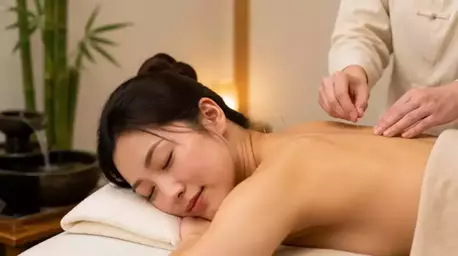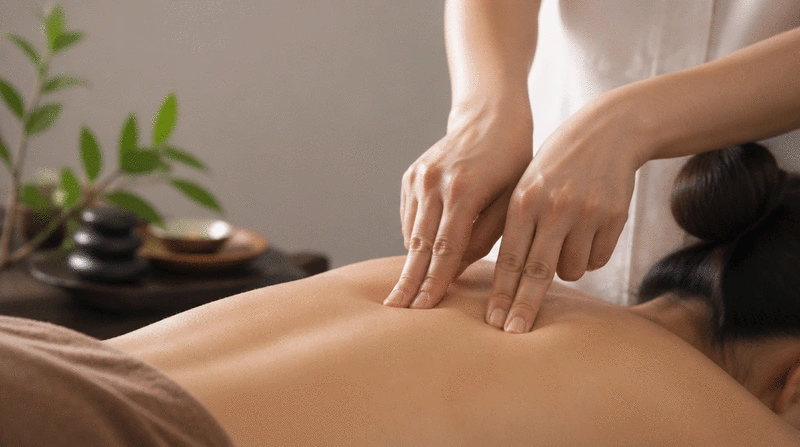
Yintang
Located between the eyebrows, this point is excellent for alleviating anxiety.
Have you ever experienced a moment where a specific touch or pressure alleviated your stress or anxiety? The relationship between our emotions and certain physical points on the body is a fascinating one, rooted in the ancient practice of Traditional Chinese Medicine (TCM). Acupoints, as they are known, serve as vital gateways to not only physical healing but also emotional well-being.
Understanding how specific acupoints relate to different emotional states can empower you to take proactive steps in your wellness journey. For a deeper dive into these ancient practices, consider exploring traditional Chinese medicine practices.
Located between the eyebrows, this point is excellent for alleviating anxiety.
Found on the wrist, this point can help relieve feelings of sadness.
Located on the forearm, it aids in calming the heart and mind.
Have you ever wondered how your emotions could be linked to specific points in your body? In Traditional Chinese Medicine (TCM), this connection is explored through the concept of acupoints. These points are believed to hold powerful energy pathways, known as meridians, which profoundly influence both our physical and emotional well-being.
At Gentle Qi Traditions, I aim to bridge the gap between ancient wisdom and modern understanding. By exploring the role of acupoints, we can uncover how they not only help with physical ailments but also play a significant role in managing our emotions. Let's delve into what acupoints are and their importance in TCM!
Acupoints are specific locations on the body where energy, or Qi, can be accessed and manipulated. Each acupoint corresponds to different organs and emotional states. For instance, stimulating certain points can help alleviate feelings of anxiety, stress, or sadness. This ancient practice is complemented by gentle techniques, such as acupressure and acupuncture, which aim to restore balance within the body. At Gentle Qi Traditions, I often emphasize that understanding these points can empower you to engage actively in your emotional health journey! For more information on how these points can help, you might want to read about managing anxiety with acupoint therapy.
Historically, acupuncture has roots that stretch back thousands of years, primarily in China. It has always been more than just a method for treating physical pain; it’s also a critical component in addressing emotional health. Traditional healers understood that emotional imbalances could manifest as physical symptoms.
By recognizing this connection early on, practitioners developed various techniques to address both mind and body. Today, as we continue to learn about these practices, we can appreciate how they resonate in our modern lives and can help cultivate a sense of calm and balance.
When we apply pressure to acupoints, we stimulate the nervous system, which can lead to a cascade of calming effects. This activation triggers your body to release natural endorphins, allowing you to feel more relaxed and centered. Isn't it amazing how something so simple can have such profound effects?
Many people, including those who visit Gentle Qi Traditions, have shared their experiences of feeling lighter and more at ease after acupressure sessions. This gentle approach not only soothes the mind but also allows energy to flow freely, enhancing overall emotional health.
Neurotransmitters, such as serotonin and dopamine, play a significant role in regulating our mood. Research has shown that stimulating certain acupoints can enhance the production of these chemicals. Serotonin, often referred to as the "feel-good" hormone, is crucial for maintaining a positive mood.
By aligning your emotional health with acupoint practices, you might find it easier to manage feelings of sadness and stress. This holistic approach is something I truly believe in, as it offers a gentle pathway to emotional regulation that feels natural and accessible. To learn more about the broader healing benefits, consider understanding acupuncture's healing benefits.
As we explore the next section, let's consider the specific acupoints that can help enhance your emotional health. Understanding how these points relate to different emotional states can empower you to take proactive steps in your wellness journey.
By learning about these acupoints, you can begin to integrate them into your daily routine, creating a more balanced and emotionally healthy life!
Here's a brief recap of the key points discussed so far:
Acupoints are specific locations on the body, rooted in Traditional Chinese Medicine (TCM), where energy (Qi) can be accessed. They correspond to different organs and emotional states, influencing both physical and emotional well-being by regulating energy flow and stimulating the nervous system.
Acupuncture stimulates the nervous system, leading to the release of natural endorphins that promote relaxation. It can also enhance the production of neurotransmitters like serotonin and dopamine, which are crucial for mood regulation and alleviating feelings of stress, anxiety, and sadness.
Key acupoints for emotional health include Yintang (between the eyebrows) for anxiety, HT7 (Shen Men on the wrist) for sadness, and PC6 (Neiguan on the forearm) for calming the heart and mind. Stimulating these points can provide relief and promote emotional balance.
Yes, self-acupressure techniques are an accessible way for individuals to manage their emotional health. By applying gentle pressure to specific acupoints, you can stimulate the nervous system and encourage relaxation, easily integrating these practices into your daily routine.
Complementary practices such as mindfulness meditation, breathwork, and herbal remedies can significantly enhance the effectiveness of acupoint therapy. These holistic approaches work together to calm the mind, improve energy flow, and support overall emotional balance.
As we venture deeper into the world of Traditional Chinese Medicine, it becomes clear that the impact of acupoints on emotional health is profound. These points serve as gateways to our body's internal energy, or Qi, and can significantly influence our emotional states. Throughout this journey, we have explored various acupoints, their relationships with emotions, and the science supporting their effectiveness. Understanding these connections can empower us to take charge of our emotional health in meaningful ways.
In summary, the mechanisms by which acupoints influence emotional states can be categorized into several key areas: activating the nervous system, regulating neurotransmitters like serotonin and dopamine, and fostering a sense of calm and balance. When we stimulate these specific points, we not only relieve immediate emotional distress but also promote long-term emotional resilience. This journey into acupoint therapy offers a gentle reminder that healing is both accessible and effective. For those interested in self-care, learning about acupressure techniques for daily calm can be very beneficial.
Here are some essential takeaways regarding the benefits of acupuncture for enhancing mental health:
By incorporating acupoints into our wellness routines, we foster an environment of healing and self-discovery. At Gentle Qi Traditions, I encourage everyone to explore these gentle practices and witness the transformative effects they can have on emotional well-being. Remember, you have the tools to enhance your emotional health right at your fingertips!
It’s vital to embrace a holistic approach to emotional health that combines various techniques. Here are a few practices that complement acupuncture:
This blend of practices encourages a supportive community around emotional wellness. Engaging with local practitioners and communities through Gentle Qi Traditions can further enhance your understanding and application of these methods. For deeper insights into combining these elements, explore how mindfulness meets Chinese medicine.
Are you interested in exploring further? There are many resources available for acupoint mapping and self-help techniques. Here are a few suggestions:
Taking these steps can deepen your understanding and practical application of acupoints in your emotional health journey. As you explore these resources, consider the benefits of seeking professional acupuncture services for tailored care. At Gentle Qi Traditions, we are dedicated to connecting you with local practitioners who can support you on your path to emotional wellness. Remember, every journey begins with a single step—let’s take it together!
Here is a quick recap of the important points discussed in the article:
Lian Chen is a passionate advocate for Traditional Chinese Medicine (TCM) and holistic wellness. With years of experience in the field, Lian is dedicated to sharing the profound principles of TCM through gentle practices that empower individuals to enhance their well-being. Lian believes in the healing potential of acupressure, acupuncture, and mindful routines, and strives to inspire curiosity and understanding of these ancient traditions.