Qi Cultivation
Nurturing the vital energy that sustains us, enhanced by mindfulness practices to foster awareness of energy levels.
Have you ever noticed how the principles of mindfulness can resonate deeply with the ancient wisdom of Traditional Chinese Medicine (TCM)? By integrating these two practices, individuals can unlock a pathway to enhanced emotional and physical well-being. This article explores the profound benefits of this synergy and invites you to embrace holistic mindfulness for a balanced life.
Explore the essential ideas connecting Traditional Chinese Medicine (TCM) and mindfulness, shown in the visual below. For a deeper dive into the foundational practices of TCM, consider exploring traditional Chinese medicine practices.
Nurturing the vital energy that sustains us, enhanced by mindfulness practices to foster awareness of energy levels.
Recognizing the yin (restful) and yang (active) aspects of life, and achieving harmony through mindfulness.
Understanding Wood, Fire, Earth, Metal, and Water in life, and reflecting on their presence for emotional well-being.
The vital substances in TCM and their integration with mindfulness practices for enhancing emotional well-being.
Have you ever considered how the calming principles of Traditional Chinese Medicine (TCM) can weave seamlessly into mindfulness practices? At Gentle Qi Traditions, we believe that this integration offers profound benefits for your holistic health. By exploring both mindfulness and TCM, you can tap into a deeper sense of well-being that nourishes the body, mind, and spirit.
Mindfulness encourages us to be present, to breathe, and to connect with ourselves—principles that resonate deeply with TCM. The synergy between these practices not only enhances emotional balance but also fosters a greater connection to our own Qi, allowing us to cultivate a sense of harmony within. So, let’s dive into this intriguing connection more deeply!
The essence of TCM lies in its ability to view health through a lens of balance and flow. Mindfulness, on the other hand, emphasizes awareness and presence. Together, they create a powerful framework for holistic wellness. By integrating mindfulness into TCM practices, we can better understand our emotions and enhance our overall well-being.
This connection leads us to consider how our emotional state affects our physical health. TCM teaches us that energy, or Qi, flows through meridians in our bodies. When we practice mindfulness, we become more attuned to this energy, recognizing when we are off-balance and taking steps to return to a state of equilibrium. It's a beautiful dance of self-awareness and healing! To further support emotional balance, you might explore managing anxiety with acupoint therapy.
To fully integrate mindfulness with TCM, it's essential to grasp some foundational concepts. Here are a few key ideas:
By understanding these concepts, we can better appreciate how TCM and mindfulness complement each other. They encourage us to nurture our mental and emotional health while also aligning with the rhythms of nature.
In TCM, three vital substances—Qi, Jing (Essence), and Shen (Spirit)—play significant roles in our overall health. When combined with mindfulness practices, these elements can enhance our emotional well-being:
By focusing on these three vital substances, we can cultivate a mindfulness practice that enriches our emotional landscape and nurtures our overall well-being. As you explore these concepts, remember that Gentle Qi Traditions is here to support your journey into the calming world of TCM and mindfulness!
Here's a brief recap of the key points discussed so far:
Integrating mindfulness with TCM offers profound benefits for holistic health, including enhanced emotional balance, improved stress management, a deeper connection to vital energy (Qi), and overall well-being that nourishes the body, mind, and spirit.
Mindfulness helps individuals become more attuned to their Qi, the vital energy that flows through the body. By being present and aware, one can better recognize imbalances in Qi and take steps to restore equilibrium, supporting Qi cultivation through practices like deep breathing and meditation.
Yin-Yang balance refers to recognizing and harmonizing the complementary opposites in life (e.g., rest and activity). The Five Elements System (Wood, Fire, Earth, Metal, Water) represents different aspects of life and their interactions. Mindfulness helps individuals reflect on these concepts in their own lives to achieve greater harmony and emotional well-being.
Jing (Essence) is linked to vitality, and Shen (Spirit) represents our emotional and spiritual state. Mindfulness practices help preserve Jing by reducing stress and promoting restful activities. They also foster clarity and emotional stability, allowing individuals to connect more deeply with their Shen, thereby enriching their emotional landscape.
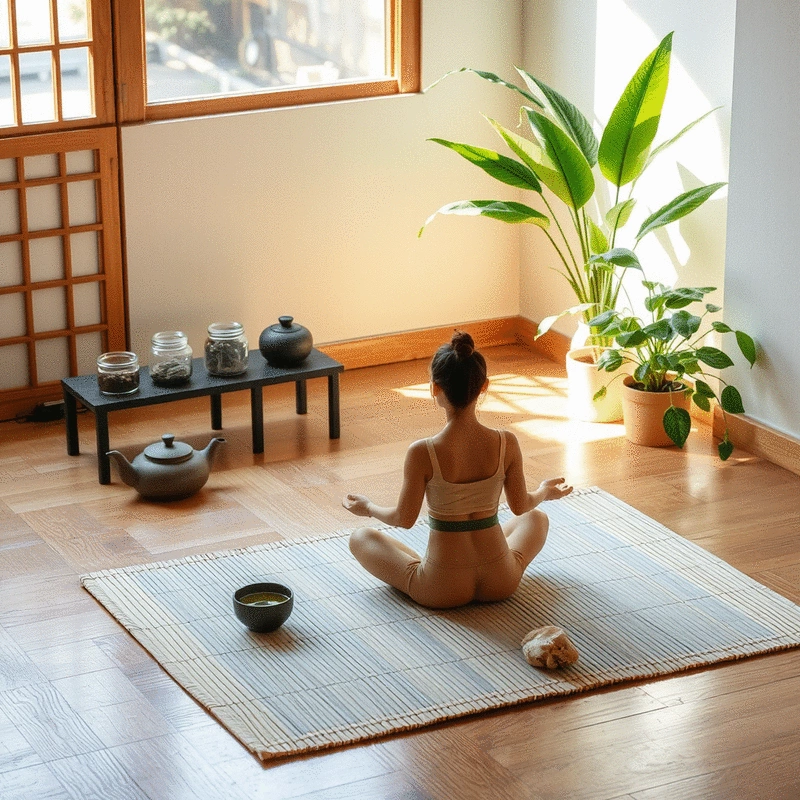
You can start by incorporating practices like Tai Chi, Qigong, or mindful breathing into your daily routine. Exploring seasonal dietary adjustments and connecting with local TCM practitioners can also provide personalized guidance and enhance the effectiveness of these practices.
As we wrap up our exploration of how Traditional Chinese Medicine (TCM) can intertwine with mindfulness, it's clear that integrating these practices offers profound benefits for our overall well-being. By adopting mindfulness routines influenced by TCM, we can experience enhanced stress management and improved emotional balance. This holistic approach invites us to nurture not only our bodies but also our minds and spirits.
Remember, the journey towards better health doesn’t have to be overwhelming! Gentle Qi Traditions aims to support you every step of the way, encouraging you to explore these ancient practices and discover what resonates with you. Embracing mindfulness routines inspired by TCM can lead to a more balanced and harmonious life.
I invite you to take action! Try incorporating the routines we've discussed into your daily life. Whether it's practicing Tai Chi at dawn or engaging in mindful breathing during a busy afternoon, every effort counts. Share your experiences with us at Gentle Qi Traditions, and join our community discussions on mindfulness and TCM. Your journey could inspire others! For more tips on integrating these practices, check out our guide on acupressure techniques for daily calm.
Additionally, don't hesitate to connect with local practitioners who can guide you in your mindfulness journey. Bringing in a personal touch can enhance the effectiveness of these practices significantly, making them even more rewarding. So, let's take those small steps together and embrace the wisdom of TCM for our well-being!
To further enrich your understanding of TCM and mindfulness, I’ve compiled a list of resources that can deepen your practice:
These resources can provide valuable insights and guide you on your path to holistic wellness.
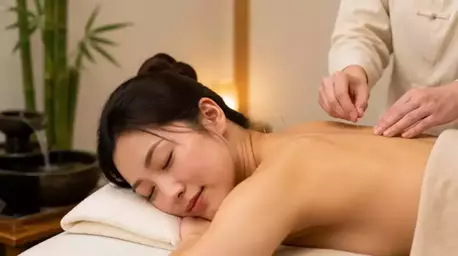
Have you considered reaching out to a TCM practitioner? Connecting with someone knowledgeable can offer you personalized advice tailored to your unique constitution. Practitioners can assist you in integrating TCM into your mindfulness routines, ensuring that your approach is both effective and safe. You might also find valuable insights by understanding acupuncture's healing benefits.
Take the leap! Seek out local experts in Frome, Shepton Mallet, or your area who can help you explore these practices more deeply. Gentle Qi Traditions is here to help you make those connections!
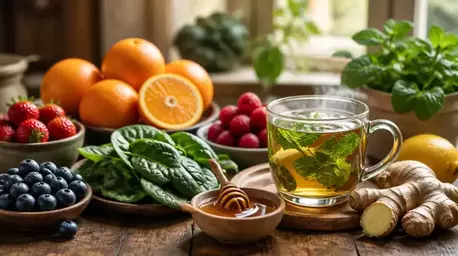
Last but not least, let’s not overlook the importance of TCM dietary therapy and seasonal wellness practices. These elements are integral to fostering a balanced life that complements your mindfulness routines. Consider how seasonal changes can influence your diet and wellness practices.
By aligning your diet with the seasons, you can enhance your mindfulness practices and cultivate a deeper connection to your body's needs!
Here is a quick recap of the important points discussed in the article:
Lian Chen is a passionate advocate for Traditional Chinese Medicine (TCM) and holistic wellness. With years of experience in the field, Lian is dedicated to sharing the profound principles of TCM through gentle practices that empower individuals to enhance their well-being. Lian believes in the healing potential of acupressure, acupuncture, and mindful routines, and strives to inspire curiosity and understanding of these ancient traditions.