LI4 (Hegu)
Often used for headaches and facial pain, LI4 is a go-to acupoint for many practitioners.
How often do we overlook the tiny spots on our bodies that hold the potential for profound healing? Acupoints, crucial to Traditional Chinese Medicine, serve as gateways to restoring balance and well-being. Let's explore the essential insights that can empower your journey toward holistic health.
Below are some key acupoints widely recognized for their health benefits. Each point plays a unique role in promoting well-being. For those interested in deeper insights into acupoint techniques, consider exploring understanding acupuncture's healing benefits.
Often used for headaches and facial pain, LI4 is a go-to acupoint for many practitioners.
This point is famous for boosting energy and improving digestion, making it a favorite among holistic healers.
Located on the inner forearm, PC6 is known for its ability to alleviate nausea and anxiety.
Renowned for its benefits in women's health, SP6 supports menstrual health and alleviates cramps.
Have you ever wondered what acupoints are and why they are so important in Traditional Chinese Medicine (TCM)? Acupoints are specific locations on the body where energy, or Qi, can be accessed and balanced. They are like gateways that allow us to tap into our internal energy systems, promoting health and harmony. Understanding these points can be a transformative step in your wellness journey!
In TCM, each acupoint has a unique role in regulating Qi flow, and they can be stimulated through various methods like acupuncture or acupressure. This gentle approach helps harmonize both the body and mind, making it a powerful tool for holistic health. At Gentle Qi Traditions, we believe that learning about acupoints is the first step to embracing the benefits of TCM.
Acupoints are strategically located along energy channels known as meridians. These channels serve as pathways through which Qi flows throughout our body. When the flow of Qi is blocked or unbalanced, it can lead to various health issues. That's where acupoints come into play! By stimulating these points, we can help restore balance and encourage the smooth flow of energy. For more on how to manage everyday discomfort, consider reading about acupoint techniques for headache relief.
There are hundreds of acupoints throughout the body, each associated with different organs and functions. For example, some acupoints can help with stress relief, while others may alleviate pain or enhance digestion. Understanding the specific roles of these points can empower you to take charge of your health.
The origins of acupoints can be traced back to ancient Chinese texts, such as the *Huangdi Neijing*, or *The Yellow Emperor's Classic of Medicine*. This foundational work outlines the principles of TCM, including the significance of acupoints and their connections to meridians. It's fascinating to think that these concepts have been guiding health practices for thousands of years!
In the *Huangdi Neijing*, the relationship between acupoints and Qi is described in detail, emphasizing how they can be utilized to maintain health and treat various ailments. The wisdom found in these ancient texts continues to inspire practitioners like me at Gentle Qi Traditions, as we aim to connect modern wellness seekers with the rich tradition of TCM.
This section will delve into the remarkable mechanisms of action associated with acupoints, exploring how they impact health and well-being. Stay tuned as we uncover the connections between meridians and Qi flow!
Here's a brief recap of the key points discussed so far:
Here are some common questions about acupoints and their role in holistic health:
When it comes to exploring the world of acupoints, you might have a few questions swirling around in your mind. It's natural to be curious about how these tiny spots on our bodies can have such a significant impact on our health. Here, I want to tackle some of the most common inquiries, helping you to better understand these important components of Traditional Chinese Medicine (TCM).
Some acupoints have gained fame over the years due to their remarkable benefits. Let's take a closer look at a few of them:
With such a variety of acupoints available, it's inspiring to see how they can assist in improving various aspects of health! I’ve found that many clients at Gentle Qi Traditions appreciate learning about these specific points and how they can be applied in daily life. You can also explore acupoints for better digestion to discover more ways to support your well-being.
In the realm of research, distinguishing between verum (true) and sham (fake) acupoints is crucial for understanding the effectiveness of acupoint therapy. Here’s a brief breakdown:
Understanding this distinction helps researchers evaluate the genuine effects of acupoint therapy versus the psychological benefits that may arise from merely receiving treatment. It's quite fascinating how science supports the ancient wisdom of TCM!
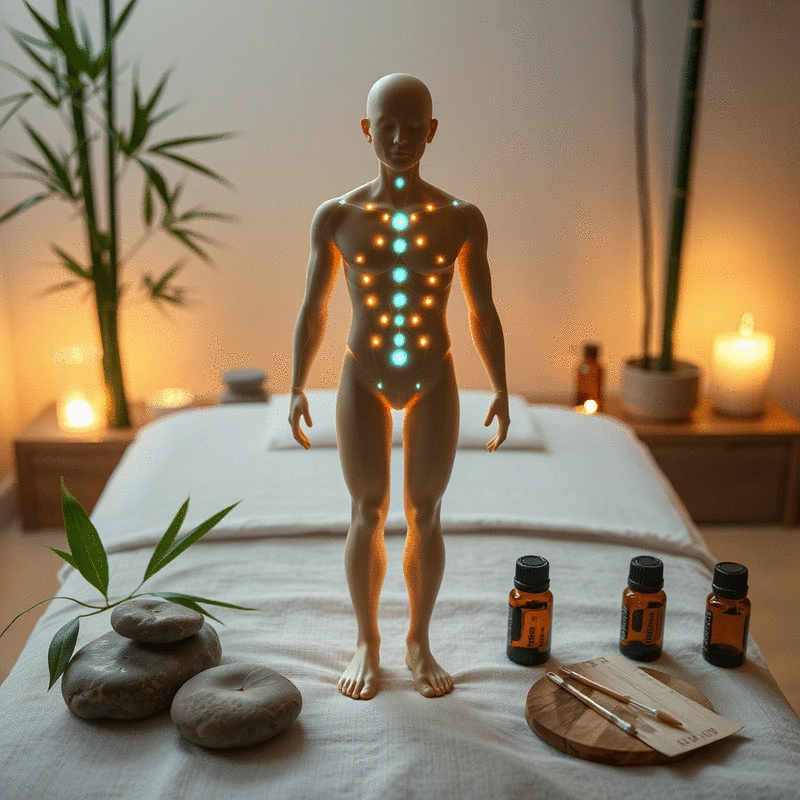
Visual aids play a significant role in enhancing our understanding of acupoints and their connections within the body. At Gentle Qi Traditions, I often utilize these tools to help clients see the fascinating layouts of meridians and points.
Using interactive maps and diagrams can be incredibly beneficial for anyone looking to deepen their knowledge of acupoints. Here are a few advantages:
By incorporating these visual tools, I find that clients leave with a greater sense of connection to their bodies and the healing process!
Real-life stories often illustrate the power of acupoint therapy in profound ways. Here are a couple of examples that exemplify its positive impact:
These case studies remind us that acupoint therapy isn't just theoretical—it's a practical application that leads to real results! Sharing these experiences often encourages others to explore their own wellness journeys. You might also find inspiration in exploring Traditional Chinese Medicine practices for broader wellness insights.
As we wrap up our exploration of acupoints, it's essential to reflect on the insights we've covered and how they integrate into your health journey.
Throughout our discussion, we’ve highlighted:
These elements show how acupoints serve as critical tools in promoting health and well-being, encouraging individuals to explore the potential of TCM.
I invite you to continue your journey into the world of Traditional Chinese Medicine. Consider seeking out local practitioners, like those featured at Gentle Qi Traditions, to experience the benefits of acupoint therapy firsthand. Resources, workshops, and community events can provide valuable opportunities for deeper understanding and engagement. Your path to wellness is just beginning—let curiosity guide you! For additional inspiration on managing well-being, consider exploring managing anxiety with acupoint therapy.
Here is a quick recap of the important points discussed in the article:
Lian Chen is a passionate advocate for Traditional Chinese Medicine (TCM) and holistic wellness. With years of experience in the field, Lian is dedicated to sharing the profound principles of TCM through gentle practices that empower individuals to enhance their well-being. Lian believes in the healing potential of acupressure, acupuncture, and mindful routines, and strives to inspire curiosity and understanding of these ancient traditions.