Stress Relief
Reduces tension and promotes relaxation.
In a world where self-care is often overlooked, it's essential to find effective and accessible ways to nurture our well-being. Acupressure, a technique rooted in Traditional Chinese Medicine, offers a hands-on approach to enhance self-care rituals. By learning about this practice, you can empower yourself to take control of your health and wellness journey.
Acupressure provides numerous benefits that can enhance your self-care routine. Below is a visual overview of some key benefits, represented in a two-column layout for clarity. To learn more about how acupressure compares to other healing modalities, consider understanding acupuncture's healing benefits.
Reduces tension and promotes relaxation.
Alleviates headaches, back pain, and muscle soreness.
Stimulates digestive functions and eases discomfort.
Helps with insomnia and promotes deeper, more restful sleep.
Self-care is more than just a trend; it's a vital aspect of maintaining our overall well-being. One effective way to incorporate self-care into our lives is through acupressure techniques. By applying gentle pressure to specific points on the body, we can promote relaxation and healing. This article will guide you through the essentials of acupressure and how it can enhance your self-care routine.
Acupressure is a practice rooted in Traditional Chinese Medicine (TCM), which focuses on using pressure rather than needles to stimulate energy flow. The goal is to balance the body's energy, or 'Qi', and relieve various ailments. This makes it a perfect addition to any self-care routine, as it empowers you to take control of your health and wellness.
In today’s fast-paced world, practicing acupressure can help us reconnect with our bodies. It encourages us to slow down and focus on our inner selves, enhancing our overall well-being. Whether you're dealing with stress, fatigue, or other health issues, incorporating acupressure can be an act of self-love and care. For more simple routines, explore simple routines for stress relief.
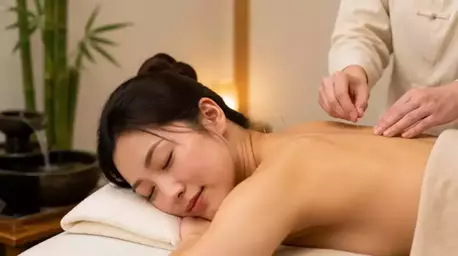
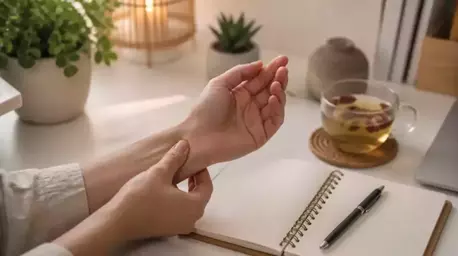
Acupressure is based on the same principles as acupuncture but utilizes fingers, palms, or elbows to apply pressure to specific points. Among its numerous benefits are:
Self-care is all about recognizing our needs and responding to them. Acupressure provides a simple, yet effective way to tune into our bodies. By learning to apply pressure to specific points, we gain insight into what our bodies need. It’s a hands-on approach to understanding how to nurture ourselves, allowing us to cultivate a deeper connection with our well-being.
At Gentle Qi Traditions, we believe that self-care rituals should be accessible to everyone. Incorporating acupressure into your daily life can be a wonderful step towards empowerment and holistic health.
The roots of acupressure lie deeply embedded in the principles of Traditional Chinese Medicine. TCM teaches that our body is a network of energy pathways, known as meridians, through which vital energy flows. Blockages or imbalances within these pathways can lead to physical or emotional distress. You can learn more about exploring Traditional Chinese Medicine practices to deepen your understanding.
By understanding the basic tenets of TCM, we can appreciate how acupressure serves as a tool for restoring balance. It allows us to stimulate these energy points and encourage the smooth flow of Qi throughout our bodies, thus promoting optimal health.
In TCM, the concept of energy flow is crucial. Meridians are like highways for our energy; when they're clear, we feel more vibrant and alive. By applying pressure to specific points along these meridians, we can enhance our overall wellness. Some key meridians include:
By learning to work with these energy flows through acupressure, we can create a more harmonious state within ourselves. This connection to our energy can be a transformative aspect of our self-care journey.
Enhance your acupressure practice by integrating guided breathing techniques. Deep, intentional breaths can significantly amplify the relaxation and healing effects of acupressure. As you apply pressure to the points, inhale deeply for a count of four, hold for four, and exhale slowly for six. This combination not only maximizes the benefits of the technique but also helps you cultivate mindfulness and presence in your self-care routine.
When it comes to exploring the transformative practice of acupressure, safety should always be a top priority. This ancient technique, while gentle and often very beneficial, can have specific considerations depending on individual health circumstances. Understanding who should avoid certain acupressure points can help you enjoy a safe and effective self-care routine.
At Gentle Qi Traditions, I often emphasize that awareness of contraindications is essential. For example, individuals with specific health conditions or those who are pregnant might need to steer clear of particular points or practices. Always consult with a healthcare professional if you're unsure, and remember that your well-being comes first!
As I guide individuals in their wellness journeys, it's crucial to highlight some key factors related to safety in acupressure. Here are some groups that should approach acupressure with caution:
By being aware of these considerations, you can ensure that your self-care rituals are both safe and effective. Remember, it's always best to listen to your body and practice self-compassion as you explore these techniques.
Many individuals may wonder which health conditions warrant caution when practicing acupressure. It’s wise to avoid stimulating certain areas if:
For expectant mothers, it’s particularly important to be mindful of pressure points that promote relaxation versus those that could inadvertently induce contractions. Always err on the side of caution and consult a practitioner experienced in acupressure if you're pregnant.
When practicing acupressure, it's essential to apply pressure correctly to maximize benefits while minimizing discomfort. Here are some practical guidelines to enhance your safety:
Practicing acupressure should feel soothing and restorative. If you ever experience discomfort, please stop and reassess your technique or consult a professional for guidance!
With the rising interest in self-care practices, questions about acupressure are becoming more commonplace. As I share my knowledge at Gentle Qi Traditions, I often hear some similar inquiries that can help clarify how to benefit from this ancient practice.
Here are some common mistakes to avoid when practicing acupressure, ensuring a smoother experience:
Understanding the nuances of acupressure can make all the difference in your self-care routine. Here are some common pitfalls to watch out for:
By avoiding these common mistakes, you can enhance your acupressure experience, making it more effective and enjoyable.
Finding the right balance when applying pressure is vital for a successful acupressure experience. It's essential to remember that everyone's sensitivity varies, so the ideal pressure for one person may not be the same for another. I always advise my clients to start gently and increase pressure only if it feels comfortable. This personalized approach ensures you harness the benefits without overwhelming your system.
While practicing acupressure, proper placement of your fingers is crucial. Here are some common errors to avoid:
Taking your time with these techniques not only enhances their effectiveness but also creates a more mindful self-care ritual. Remember, at Gentle Qi Traditions, we believe in embracing the journey of wellness with patience and compassion!
Many people have questions about the effectiveness of acupressure and how to integrate it into their self-care routines. Here are some frequently asked questions:
Typically, holding each pressure point for about 30 seconds to 2 minutes is recommended. However, listen to your body—if it feels good to hold longer or shorter, trust your instincts!
Absolutely! Many individuals find that incorporating acupressure into their evening routine can help ease insomnia. Specific points can promote relaxation and prepare your body for restful sleep. For more techniques, consider acupoint techniques for better sleep.
Yes, numerous studies and personal experiences highlight the effectiveness of acupressure for both pain management and stress relief. By applying targeted pressure, you can stimulate your body's natural healing mechanisms.
Integrating acupressure into your daily routine can be a transformative experience. As your understanding deepens, you might discover how profoundly it can enhance your overall well-being. At Gentle Qi Traditions, we celebrate the journey of self-care and encourage everyone to include these gentle techniques as a regular part of their lives.
To truly embrace acupressure, consider blending it with other self-care practices. Here are some suggestions for a holistic approach:
With these combinations, you can create a rich self-care experience that nurtures body, mind, and spirit!
Creating a habit of incorporating acupressure into your routine takes time and commitment. I often recommend setting aside specific times each week to practice. Whether it’s during your morning routine or as part of your evening wind-down, consistency is key to experiencing the full benefits. Consistency in your practice, like gentle acupressure techniques for daily calm, will yield the best results.
The journey of wellness is not one that has to be traveled alone! Sharing experiences and connecting with others can deepen your understanding of acupressure. At Gentle Qi Traditions, I love hearing testimonials and personal stories from those who have embraced these practices.
When individuals share their journeys and successes with acupressure, it creates a beautiful tapestry of shared experiences. Here are a few benefits of discussing your experiences with others:
Embrace this journey together, and let’s foster a community of wellness that thrives on shared knowledge and compassion!
Here is a quick recap of the important points discussed in the article:
Lian Chen is a passionate advocate for Traditional Chinese Medicine (TCM) and holistic wellness. With years of experience in the field, Lian is dedicated to sharing the profound principles of TCM through gentle practices that empower individuals to enhance their well-being. Lian believes in the healing potential of acupressure, acupuncture, and mindful routines, and strives to inspire curiosity and understanding of these ancient traditions.