Breathing Techniques from TCM
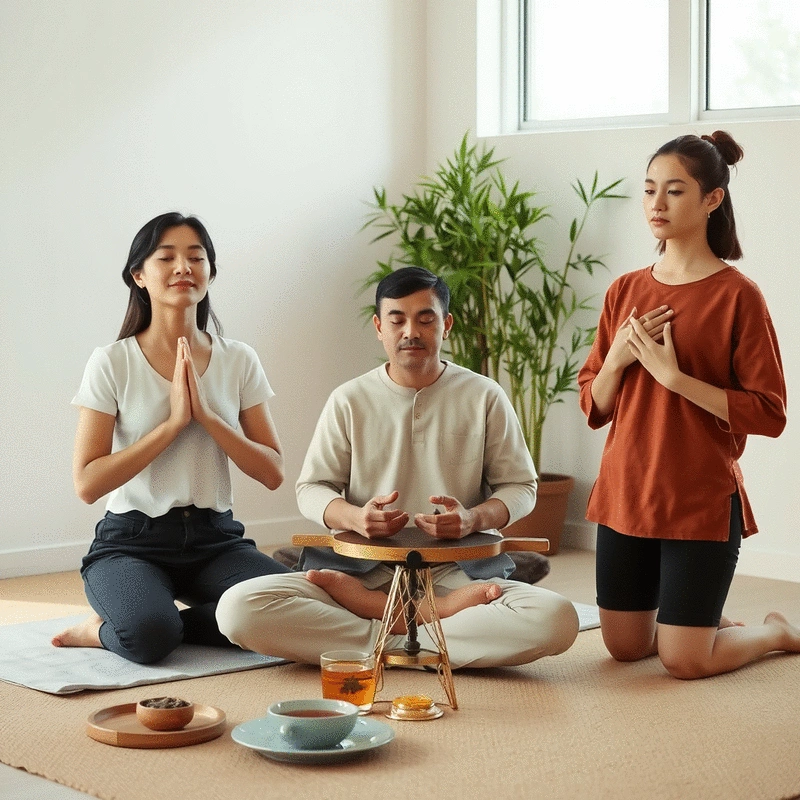
Have you ever wondered how something as simple as breathing can transform your well-being? Breathing techniques in Traditional Chinese Medicine (TCM) aren't just about taking in air; they’re a pathway to harnessing your inner energy and achieving balance in life.
What You Will Learn
- Understanding Qi: Breathing in TCM is essential for cultivating qi, the vital energy that promotes health and balance in both body and mind.
- Stress Relief: Simple breathing techniques can significantly lower stress levels, contributing to relaxation and emotional stability.
- Mindfulness Integration: Practicing mindfulness during breathing fosters a deeper connection between your body and mind, enhancing the overall effectiveness of the techniques.
- Daily Practice Tips: Setting a consistent routine, creating a calming environment, and starting with short sessions can make TCM breathing practices more accessible and effective.
- Emotional Benefits: Regular practice can lead to emotional release, improved focus, and greater self-awareness, strengthening the body-mind connection.
Key Benefits of TCM Breathing Techniques
Engaging in TCM breathing offers various advantages for emotional and physical health, highlighted below. For a broader perspective on how ancient practices contribute to overall well-being, consider exploring Traditional Chinese Medicine practices further.
Stress Relief
Practicing identified techniques can help lower stress levels and promote relaxation.
Improved Energy Circulation
Deep breathing enhances qi circulation, leading to increased energy and vitality.
Enhanced Relaxation
Mindful breathing encourages a sense of calm, making it easier to unwind after a long day.
Emotional Release
Deep breathing can help release pent-up emotions, allowing for greater emotional clarity.
Understanding Simple Breathing Techniques from TCM
Have you ever thought about how your breath can affect your overall well-being? In Traditional Chinese Medicine (TCM), breathing is seen as a vital practice for cultivating energy, or qi. It plays a significant role in maintaining balance within the body and can lead to a greater sense of calm and health.
Overview of Traditional Chinese Medicine (TCM) Breathing
TCM teaches us that proper breathing techniques can improve our energy flow and emotional health. Instead of taking shallow breaths, TCM emphasizes deep, mindful breaths that connect us to our body and mind. This approach fosters a deep relationship with our breath, allowing us to harness the healing power of qi and promote overall wellness.
Breathing in TCM is not just a mechanical process; it’s a way to nurture our inner vitality. By focusing on our breath, we can tap into a deeper source of energy and calmness, making it an essential part of daily life. At Gentle Qi Traditions, we believe that understanding this connection can empower individuals to enhance their well-being. This focus on internal harmony is also key when understanding acupuncture's healing benefits across various conditions.
Benefits of Practicing Simple Breathing Techniques
Engaging in simple breathing exercises can offer numerous health benefits. Here are some of the key advantages:
- Stress Relief: Practicing identified techniques can help lower stress levels and promote relaxation.
- Improved Energy Circulation: Deep breathing can enhance qi circulation, leading to increased energy and vitality.
- Enhanced Relaxation: Mindful breathing encourages a sense of calm, making it easier to unwind after a long day.
By incorporating these breathing techniques into your daily routine, you can experience a profound shift in your physical and emotional state. Simple practices can lead to remarkable changes, allowing you to embrace a more balanced and harmonious life.
Mindfulness and Breath Awareness in TCM Practices
Mindfulness plays a crucial role in TCM breathing practices. When we bring awareness to our breath, it fosters a connection between our body and mind. This connection enhances the effectiveness of the techniques, allowing us to truly feel the benefits.
Here are a few ways to integrate mindfulness into your breathing routine:
- Focus on Your Breath: Pay attention to each inhale and exhale.
- Practice Gratitude: With each breath, express gratitude for your body and the life force within.
- Set Intentions: Before starting your practice, set a gentle intention for what you want to achieve.
As you incorporate mindfulness into your breathing exercises, you may find that your overall practice becomes more enriching. This deepened awareness can lead to transformative experiences on your wellness journey.
In our next section, we will delve into key simple breathing techniques that you can start practicing today! These techniques not only help cultivate energy but also serve as powerful tools for relaxation and self-discovery. Let's explore how you can harness the power of breath with TCM!
Pro Tip
To amplify the benefits of your TCM breathing practice, try incorporating visualization techniques. As you breathe deeply, imagine a warm light filling your body with each inhale, and visualize stress and negativity melting away with each exhale. This not only enhances relaxation but also deepens your connection to the energy flow within you.
Engaging with TCM Breathing Techniques: FAQs and Expert Insights
Common Questions About TCM Breathing
As I’ve shared my passion for Traditional Chinese Medicine (TCM) with you, I often come across some common questions about breathing techniques. Many people wonder how these practices can fit into their daily lives or what specific benefits they provide. Here are a few of the most frequently asked questions:
- What is the purpose of TCM breathing techniques? These techniques are designed to cultivate qi (energy) and promote relaxation, enhancing overall well-being.
- How often should I practice? Consistency is key! Aim for at least 10-15 minutes daily to really feel the benefits.
- Can anyone practice these techniques? Absolutely! TCM breathing techniques are accessible to everyone, regardless of experience or fitness level.
- What if I feel lightheaded? If you experience lightheadedness, take a break. It’s essential to listen to your body and practice at a comfortable pace.
By addressing these common questions, I hope to empower you to embrace TCM breathing with confidence and curiosity. Remember, every breath is a step toward enhancing your well-being!
Frequently Asked Questions About TCM Breathing Techniques
Here are some common questions to help deepen your understanding of TCM breathing practices:
- What is Qi and how does breathing affect it?
In TCM, Qi is your vital life force or energy. Breathing techniques are believed to cultivate, circulate, and balance this Qi throughout the body, promoting health and well-being. - How do TCM breathing techniques help with stress relief?
Deep, mindful breathing activates the parasympathetic nervous system, which helps to calm the body and mind, reducing stress hormones and promoting relaxation. - What is the role of mindfulness in TCM breathing?
Mindfulness helps you focus on the present moment and your breath, strengthening the mind-body connection and enhancing the effectiveness of the breathing exercises. - How can I incorporate TCM breathing into my daily routine?
Start with short, consistent sessions (5-10 minutes) each day. Choose a quiet space, set an intention, and gradually increase duration as you become more comfortable. - Are there any specific techniques recommended for beginners?
Beginners can start with simple abdominal or diaphragmatic breathing. Focus on slow, deep inhales that expand the belly and equally slow exhales. - Can TCM breathing help with emotional balance?
Yes, regular practice can facilitate emotional release, improve focus, and increase self-awareness, which contributes to better emotional regulation and a stronger mind-body connection.
User Testimonials and Expert Quotes
To further inspire you on your journey, I’ve gathered some meaningful testimonials from individuals who have experienced the transformative power of TCM breathing techniques. Their stories highlight the profound impact these practices can have on daily life.
- Sarah from Frome: "Practicing Dan Tian breathing has helped me manage my stress levels so much better. I feel more grounded!"
- James, a local acupuncturist: "Integrating breathing techniques into my practice has not only improved my patients' outcomes but also my own mental clarity."
- Emily, a workshop attendee: "Learning about the breath has opened my eyes to the connection between my mind and body. I feel more at peace!"
Experts in TCM often note that, "The breath is the bridge between the mind and body." This insight emphasizes the potential of breathing techniques to foster harmony within us. At Gentle Qi Traditions, I’m dedicated to sharing more stories like these to encourage you on your wellness path!
Strategies for Effective Practice and Continued Learning
Tips for Practicing Breathing Techniques
To help you maintain consistency and effectiveness in your TCM breathing practice, here are some practical tips to consider:
- Set a routine: Choose a specific time each day to practice, making it a part of your daily ritual.
- Create a calming space: Designate a quiet area for practice, free of distractions.
- Start small: If you’re new to breathing techniques, begin with just a few minutes and gradually increase as you feel comfortable.
- Incorporate mindfulness: Focus on your breath and allow yourself to be present in the moment, which enhances the effectiveness of your practice.
These strategies can help you weave TCM breathing techniques into your life seamlessly. And remember, it’s all about progress, not perfection!
Resources for Further Exploration of TCM Breathing
If you’re eager to dive deeper into TCM breathing techniques, here are some fantastic resources to enhance your learning:
- Books: Look for titles on TCM and breathing techniques to gain a deeper understanding.
- Online courses: Consider enrolling in a class that focuses on TCM breathing practices.
- Apps: Explore meditation apps that offer guided breathing exercises based on TCM principles.
- Local workshops: Check out workshops in areas like Frome or Shepton Mallet to connect with practitioners and learn in person.
As you explore these resources, I encourage you to embrace the richness of TCM and its breathing techniques. Each step you take can lead to a more vibrant and balanced life, much like how simple routines for stress relief can significantly improve daily well-being.
Encouraging Community and Sharing Experiences
At Gentle Qi Traditions, I believe in the power of community. I invite you to share your experiences with TCM breathing techniques! Here are some ways to get involved:
- Join local groups: Participate in community classes or forums where you can discuss your journey.
- Share on social media: Use hashtags related to TCM breathing to connect with others and inspire your network.
- Write about your experiences: Consider journaling or blogging about how these techniques have impacted your life.
- Engage with practitioners: Reach out to local TCM practitioners for guidance and support on your path.
By fostering a supportive environment, we can learn from each other and grow together. Every story shared enriches our understanding and brings us closer to the harmonious balance TCM promotes.
Understanding the Body-Mind Connection through TCM
Lastly, let’s explore how TCM breathing techniques positively influence our emotional well-being. In TCM, the breath is seen as a vital link between our body and mind. Here’s how breathing practices enhance that connection:
- Emotional release: Deep breathing can help release pent-up emotions, allowing for greater emotional clarity.
- Stress reduction: Consistent practice can lower stress levels, leading to a more relaxed state of mind.
- Improved focus: Engaging in mindfulness while breathing encourages mental clarity and enhances concentration.
- Greater self-awareness: Through breath awareness, we become more in tune with our bodies, leading to better emotional regulation.
As you embrace these practices, consider how they impact your mental and emotional health. This connection is a beautiful aspect of TCM that nurtures not just the body but the spirit too! For further insights into balancing emotional well-being through TCM, consider exploring managing anxiety with acupoint therapy.
Recap of Key Points
Here is a quick recap of the important points discussed in the article:
- Importance of Breath: In TCM, breathing is a vital practice for cultivating energy (qi) and promoting overall well-being.
- Benefits of Deep Breathing: Engaging in simple breathing techniques can lead to stress relief, improved energy circulation, and enhanced relaxation.
- Mindfulness Integration: Incorporating mindfulness into breathing practices enhances the connection between body and mind, resulting in transformative experiences.
- Practical Tips: Set a routine, create a calming space, start small, and focus on your breath to maintain an effective practice.
- Community Engagement: Sharing experiences and connecting with others can enrich your TCM breathing journey and foster a supportive environment.

Lian Chen
Lian Chen is a passionate advocate for Traditional Chinese Medicine (TCM) and holistic wellness. With years of experience in the field, Lian is dedicated to sharing the profound principles of TCM through gentle practices that empower individuals to enhance their well-being. Lian believes in the healing potential of acupressure, acupuncture, and mindful routines, and strives to inspire curiosity and understanding of these ancient traditions.
Popular Posts
Relaxing with Herbal Baths
![Relaxing with Herbal Baths]() Have you ever considered how something as simple as a bath can transform your mental and physical we
Have you ever considered how something as simple as a bath can transform your mental and physical we
 Have you ever considered how something as simple as a bath can transform your mental and physical we
Acupoints and Chronic Pain Relief
![Acupoints and Chronic Pain Relief]() Chronic pain impacts millions, often leading to frustration and a diminished quality of life. As we
Chronic pain impacts millions, often leading to frustration and a diminished quality of life. As we
 Chronic pain impacts millions, often leading to frustration and a diminished quality of life. As we
Simple Wellness Routines for Immunity
![Simple Wellness Routines for Immunity]() Have you ever considered how small, consistent wellness practices could lead to significant improvem
Have you ever considered how small, consistent wellness practices could lead to significant improvem
 Have you ever considered how small, consistent wellness practices could lead to significant improvem
Acupoint Techniques for Better Focus
![Acupoint Techniques for Better Focus]() Are you ready to unlock your full potential? Discover the transformative power of acupressure, a pra
Are you ready to unlock your full potential? Discover the transformative power of acupressure, a pra
 Are you ready to unlock your full potential? Discover the transformative power of acupressure, a pra
