Gentle Stretching Frequency
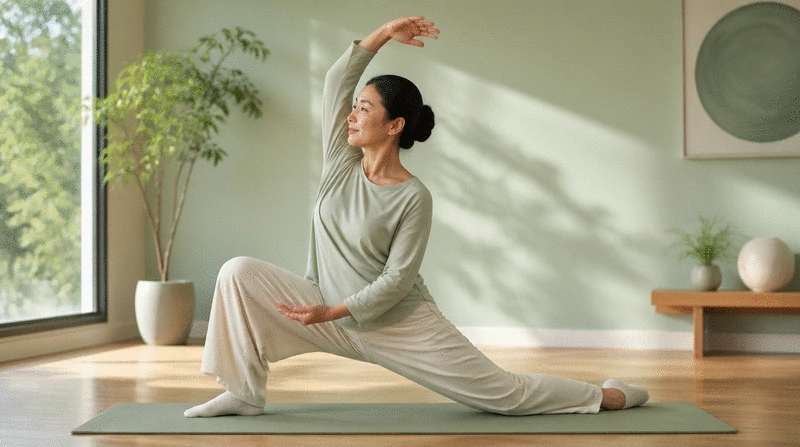
Practice gentle stretches 3 to 5 times a week to enhance mobility and energy levels.
What if the key to your well-being lies in understanding a hidden energy within you? In Traditional Chinese Medicine (TCM), this vital energy is known as Qi, and nurturing it can transform your health and happiness.
Regularly practicing gentle stretches can significantly enhance your Qi circulation and overall well-being. Below are key practices and their recommended frequency.
Practice gentle stretches 3 to 5 times a week to enhance mobility and energy levels.
Incorporate mindfulness by setting an intention before stretches and focusing on breath.
Adjust the routine based on your body's signals; modify stretches if discomfort arises.
Utilize props like cushions or blocks to find a more comfortable alignment while stretching.
Have you ever wondered what keeps your body in balance? In Traditional Chinese Medicine (TCM), this vital force is known as Qi (pronounced "chee"). Qi is seen as the life energy flowing through all living things, and its proper flow is essential for maintaining health. If Qi is blocked or depleted, it can lead to various health issues, making understanding and nurturing this energy a cornerstone of well-being. To learn more about how TCM principles can enhance your daily life, explore our article on exploring Traditional Chinese Medicine practices.
Qi affects everything in our bodies, from our organs to our emotions. It is believed that when Qi flows freely, you feel vibrant and energetic. However, when there are blockages, you might experience fatigue, stress, or even physical pain. That's why it's important to learn how to cultivate and balance your Qi for a healthier, happier life.
At its core, Qi is the energy that animates our bodies. It flows through pathways called meridians, connecting various organs and systems. Think of it as the electricity powering a house; when the flow is uninterrupted, everything works smoothly. But if there are obstacles, like damaged wiring, the system falters, leading to dysfunction.
Understanding Qi also means recognizing its dual nature. There are two types: Yin and Yang. Yin represents calmness and rest, while Yang signifies activity and energy. Striking a balance between these two forms of Qi is vital for our overall health. If you feel like you're often on the go, it might be worth considering how to incorporate more Yin into your routine with practices like gentle stretching or mindful breathing, similar to what you might find in gentle yoga for Chinese wellness.
When it comes to circulation, Qi plays a pivotal role. It helps not just in blood flow but also in the distribution of nutrients throughout the body. Think of Qi as the river that nourishes the land; when the water flows freely, everything thrives. In contrast, blockages can lead to stagnation, affecting both energy and health.
As someone who cares deeply about holistic wellness, I believe that enhancing Qi circulation can dramatically improve your quality of life. Incorporating gentle practices into your daily routine can be a wonderful way to keep this energy flowing freely. For instance, simply taking a moment to stretch or breathe mindfully can encourage Qi to circulate and support your body’s natural healing processes. For further insights into supporting your body's energy, you might consider how to boost your energy naturally.
At Gentle Qi Traditions, we understand that the principles of TCM are built around the cultivation and balance of Qi. Exploring this connection can deepen your appreciation for holistic health practices. By delving into the concept of Qi, we can learn how to nurture and sustain our energy, leading to a more harmonious life.
As you explore gentle wellness routines, remember that every small effort you make contributes to a more balanced flow of Qi. Whether you're in Frome or any of the neighboring areas, the journey to understanding your Qi is both personal and transformative. Let’s embrace this journey together, one gentle stretch at a time!
To enhance your Qi circulation even further, consider pairing your gentle stretching routine with herbal teas known for their energy-boosting properties. Herbal infusions such as ginger or ginseng can invigorate your body and support the flow of Qi, creating a holistic approach to your wellness practice.
As we embark on our journey to enhance our well-being through gentle stretches, it’s natural to have questions. Understanding how often to practice these stretches can help you form a consistent routine that nurtures your body. Many of my clients ask, *"How often should I practice gentle stretches?"* The answer is simple: listen to your body! Generally, I recommend practicing gentle stretches 3 to 5 times a week to see noticeable benefits in your mobility and energy levels.
Incorporating gentle stretches regularly helps keep your Qi flowing smoothly. However, if you find yourself feeling discomfort during stretching, it's vital to pay attention to your body’s signals. Discomfort can be a sign that you might need to ease back or modify your approach. I often tell my clients to focus on gentle, gradual movements rather than pushing themselves too hard. Remember, it’s about finding joy in the practice, not striving for perfection!
The frequency of your gentle stretching routine can depend on a few factors. Are you new to stretching, or are you looking to deepen your practice? If you’re just starting, try a short session once or twice a week, gradually increasing as you become more comfortable. For those already familiar with gentle stretches, aiming for 15 minutes a day can significantly enhance your Qi circulation and overall well-being.
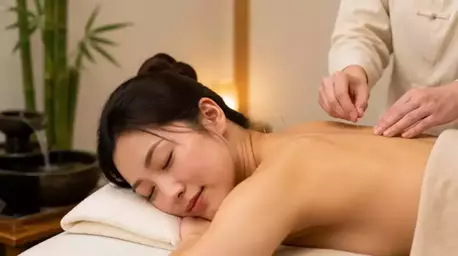
Setting a specific time in your day for practice can also create a lovely routine. Early mornings or gentle evenings can be perfect, allowing your mind and body to embrace the calm and restorative aspects of Traditional Chinese Medicine. As I always say at Gentle Qi Traditions, *"Consistency is key!"* For more consistent practices, consider exploring understanding acupuncture's healing benefits.
If you notice discomfort while stretching, it's essential to approach it with care. Discomfort can sometimes arise from tight muscles or improper form. To ease this, consider taking a few moments to breathe deeply and focus on your body. Adjusting your position slightly or using props, like cushions or blocks, can also help you find a more comfortable alignment.
It's crucial to remember that stretching should feel good, not painful. If discomfort persists, it might be worth consulting with a local practitioner from our Gentle Qi Traditions network. They can provide personalized guidance to ensure that your practice is safe and enjoyable!
Mindfulness plays a significant role in enhancing our movement and body awareness. When you engage in gentle stretches, take a moment to focus on your breath and the sensations in your body. This practice not only improves your connection with your body but also promotes a sense of calm. I've seen how simply being present during stretching can make a huge difference in achieving a peaceful state of mind.
Incorporating mindfulness into your routine can also boost your overall practice. Try setting an intention before you begin. Ask yourself what you hope to achieve, whether it’s improved flexibility or a more relaxed state. This reflective moment helps center your focus and enhances the benefits of your stretching.
As I explore relaxation techniques with my community, I find that they are essential for emotional balance and stress relief. Techniques such as meditation, deep breathing, or even gentle music can create a soothing environment for your practice. You might try dedicating a few moments at the end of your stretching session to simply relax and let your body absorb the benefits.
Another wonderful technique is guided imagery. Picture yourself in a serene place, feeling the energy flowing through you. This can enhance your experience and foster a deeper connection with your Qi. Remember, relaxation is just as important as the stretches themselves, so don’t rush through this part! For more ways to achieve emotional balance, consider exploring acupoints and emotional well-being.
Here are some frequently asked questions to help deepen your understanding of Qi and its cultivation through gentle practices.
Reflecting on all we've discussed, it’s clear that gentle stretches offer remarkable benefits for Qi circulation and overall well-being. By embracing these practices, you are taking positive steps towards a healthier, more balanced life. Remember to listen to your body, incorporate mindfulness, and enjoy the journey!
I encourage you to integrate gentle stretches into your daily routine, finding moments to pause and reconnect with yourself. As we explore the calming world of Traditional Chinese Medicine together at Gentle Qi Traditions, I hope you feel inspired to take these gentle practices to heart. Every small step counts, and I’m here to support you in your wellness journey!
Here is a quick recap of the important points discussed in the article:
Lian Chen is a passionate advocate for Traditional Chinese Medicine (TCM) and holistic wellness. With years of experience in the field, Lian is dedicated to sharing the profound principles of TCM through gentle practices that empower individuals to enhance their well-being. Lian believes in the healing potential of acupressure, acupuncture, and mindful routines, and strives to inspire curiosity and understanding of these ancient traditions.