Decluttering Strategies
- Set a weekly decluttering time.
- Organize with storage boxes.
- Keep surfaces clear of unnecessary items.
Creating a calming wellness space at home can transform your environment into a sanctuary of peace and relaxation. As you embark on this journey, consider how a serene atmosphere can enhance not just your home, but your overall well-being.
Explore the key elements for establishing a serene environment that promotes relaxation and mindfulness. For more insights into fostering well-being, explore Traditional Chinese Medicine practices.
Creating a calming wellness space in your home can significantly enhance your overall well-being. At Gentle Qi Traditions, we believe that a peaceful environment fosters healing and mindfulness. Let's explore some practical steps to transform your home into a sanctuary that promotes serenity and balance.
Finding the right spot in your home is crucial for establishing a calming wellness space. Think about areas that feel peaceful to you—perhaps a quiet corner or an underused room. If possible, choose a location that is away from the hustle and bustle of daily life.
Look for places in your home that naturally invite calmness. This could be:
By designating a specific area, you create a space solely for your wellness routine, making it easier to unwind and focus. For further guidance on integrating wellness into your daily life, consider exploring acupressure techniques for daily calm.
If you live with others, it can be helpful to adapt shared spaces for your wellness activities. Consider using partitions or decorative screens to create a sense of privacy. You might also:
This way, you can enjoy your wellness practices even in communal areas, contributing to a peaceful coexistence.
A cluttered space can lead to a cluttered mind. It's essential to declutter your wellness area to create a peaceful atmosphere. Start by assessing what items truly belong in your space, ensuring that everything you keep adds value to your practice.
Here are some effective strategies to help you minimize distractions:
By maintaining a tidy space, you allow room for clarity and focus during your wellness practices.
When decluttering, it’s helpful to differentiate between essentials and non-essentials. Here’s a quick guide:
Making these choices can vastly enhance the serenity of your space!
Design plays a significant role in creating a calming wellness space. The right elements can engage your senses and enhance your experience. Let's look at various ways to design your space with calming sensory elements.
Colors and lighting impact our mood greatly. Consider using a palette of neutral colors like soft greens, blues, and creams. These colors promote tranquility and relaxation. Adding soft lighting, such as lamps with warm bulbs or string lights, can further enhance this soothing atmosphere.
Natural textures can make your space feel more inviting. Think about:
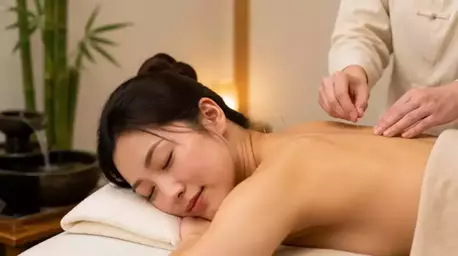
These elements create an inviting sanctuary where you can truly relax and recharge. To delve deeper into holistic well-being, consider understanding acupuncture's healing benefits.
It’s fascinating how colors can affect our emotions! For a calming wellness space, consider:
By understanding color psychology, you can select hues that resonate with your desired atmosphere.
Nature has a remarkable ability to bring peace into our lives. By incorporating natural elements into your wellness space, you can enhance your overall sense of well-being.
Plants not only purify the air but also add life to your space. Consider these easy-to-care-for options:
Adding greenery can truly uplift your environment and your mood!
Natural light can work wonders in elevating your spirits. If possible, position your wellness space near a window or in a room with ample sunlight. You can:
By doing so, you invite warmth and positivity into your wellness practices.
A Zen garden is a beautiful addition that encourages mindfulness. You can create a small indoor version using:
This can serve as a focal point for meditation and reflection, enhancing your calming space.
Once you've created your wellness space, it’s time to establish mindful routines that nurture your body and mind. Small daily practices can lead to significant changes in your overall well-being.
Consider integrating rituals such as:
These practices can help set a positive tone for your day!
Flexibility is key when establishing a wellness routine. Allow yourself to adjust your practices based on what feels right for you. Consider:
This adaptability ensures your routine remains refreshing and engaging.
Mindful breathing can be a powerful tool in your wellness journey. Simple techniques include:
These practices can ground you and bring a sense of peace, making your wellness space a true refuge.
Your wellness space should reflect your unique style and preferences. Personal touches make the space feel truly yours, enhancing its comforting energy.
Consider adding decor items that hold special meaning for you. This might include:
Personalizing your space can create a warm and inviting atmosphere!
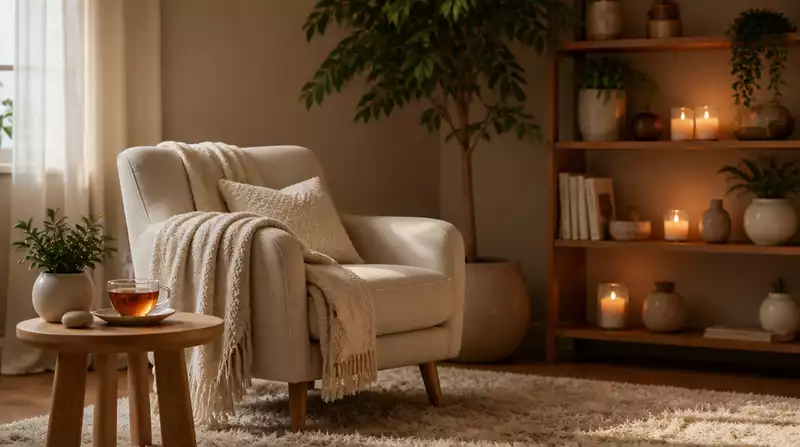
A cozy nook can be your go-to spot for relaxation. Fill it with:
This nook can become your favorite retreat within your wellness space.
As mentioned earlier, color and texture matter! Use cozy textiles like:
These elements not only add comfort but also contribute to the visually calming atmosphere.
Different rooms have unique characteristics that can influence your wellness space. Let’s explore how to tailor your design to various areas in your home.
Each room can be adapted to foster tranquility in different ways. For example:
These tailored approaches can enhance the calming effect in each space. For more on achieving deep relaxation, consider exploring acupoint techniques for better sleep.
If you're in a smaller home, don’t worry! You can still create a wellness space by:
With thoughtful planning, even small spaces can embody calmness.
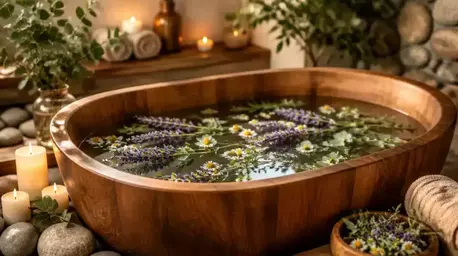
Lastly, consider creating a spa-like atmosphere at home. You can do this by:
This transformation can turn your home into a personal retreat, inviting relaxation and rejuvenation.
Did you know? Incorporating a small water feature, like a tabletop fountain, can significantly enhance the calming atmosphere of your wellness space. The sound of flowing water is not only soothing but also helps to drown out distracting noises, allowing you to focus on relaxation and mindfulness.
The first step is to identify the perfect location in your home that naturally invites calmness, such as a quiet corner or an underused room, away from daily hustle and bustle.
Decluttering is essential as a cluttered space can lead to a cluttered mind. Minimizing distractions by keeping surfaces clear and organizing items helps create a peaceful atmosphere conducive to clarity and focus.
Utilize neutral colors (like soft greens, blues, and creams), soft lighting (warm bulbs, string lights), natural textures (wood, cotton, linen), and aromatherapy (essential oils, scented candles) to engage your senses and enhance relaxation.
Incorporating plants (snake plants, peace lilies, aloe vera) purifies the air and adds life. Natural light from windows or reflected by mirrors uplifts mood and brings warmth and positivity.
Integrate daily rituals like morning meditation, journaling, gentle stretching, and mindful breathing exercises. Maintain flexibility in your routine to adjust practices based on your evolving needs and feelings.
Establishing tech-free zones helps promote true relaxation by enhancing focus, improving mindfulness, and leading to better sleep. Disconnecting from devices allows you to connect more deeply with your surroundings and inner self.
Once you have created your calming wellness space, it’s essential to maintain it to ensure it continues to provide peace and serenity. Just like nurturing a garden, the upkeep of your wellness area allows it to flourish and evolve. Regular care not only keeps your space inviting but also reinforces the calming atmosphere you’ve worked hard to cultivate.
Incorporating a routine for upkeep helps you stay connected to your space. Simple tasks like decluttering or refreshing décor can make a big difference! Embrace the idea of a little maintenance to keep your wellness journey thriving.
To keep your wellness area feeling fresh, consider these helpful tips:
Additionally, adapt your space to the changes in weather and your personal feelings. For example, during the colder months, you might want to introduce soft throws and warmer color tones to your area. This practice not only enhances comfort but also creates a specific atmosphere that invites relaxation.
As each season rolls around, your wellness space can change, too! Here are a few tips for seasonal adjustments:
These seasonal shifts can enhance the ambiance of your space and keep it aligned with your inner state! Embracing these changes can be a beautiful way to stay in tune with nature.
Are you finding peace and calm in your wellness space? It’s important to regularly evaluate how your space is serving you. Reflect on what’s working and what may need adjusting. This ongoing assessment ensures that your sanctuary remains a true reflection of your needs.
Consider keeping a journal to track your feelings and experiences in your wellness area. This can help you pinpoint what aspects of your space contribute to your sense of peace.
To better understand your wellness space's impact, ask yourself a few reflective questions:
Your responses can guide you in making thoughtful adjustments for greater calmness and well-being. Remember, it’s all about creating a space that nurtures you!
Tech can be a significant distraction in our lives, even in our wellness spaces. Establishing tech-free zones is a great way to promote true relaxation. By disconnecting from devices, you can focus on nurturing your mind and body!
Creating boundaries for technology use in your wellness space can help you truly unwind. This means setting rules not just for yourself, but also for family members who share the space.
Here are some benefits of keeping technology at bay:
Consider creating a designated area for tech use, separate from your wellness space. This can establish a clear boundary that helps maintain the tranquil energy you’ve cultivated. For a deeper dive into improving your well-being through ancient practices, explore acupressure for daily self-care.
Are you ready to take the next steps in creating and maintaining your calming wellness space? Start small and gradually incorporate these practices into your routine. Remember, every little action counts!
Feel free to explore ideas and inspirations that resonate with you. Whether it’s visiting Gentle Qi Traditions for resources or taking a stroll in nature to gather ideas, each step is part of your wellness journey. For a comprehensive approach to enhancing your wellness routines, check out TCM-inspired holistic wellness routines.
Let’s embark on this journey to nurture a peaceful home together! As we embrace these practices, we can cultivate spaces that promote well-being and serenity in our lives.
Here is a quick recap of the important points discussed in the article:
Lian Chen is a passionate advocate for Traditional Chinese Medicine (TCM) and holistic wellness. With years of experience in the field, Lian is dedicated to sharing the profound principles of TCM through gentle practices that empower individuals to enhance their well-being. Lian believes in the healing potential of acupressure, acupuncture, and mindful routines, and strives to inspire curiosity and understanding of these ancient traditions.