Acupressure for Everyday Ailments
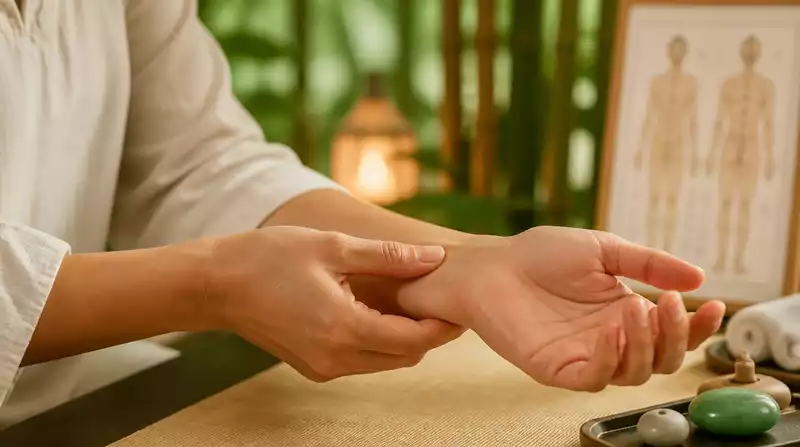
Ever wondered how a simple touch can unlock your body's healing potential? Acupressure, an ancient practice from Traditional Chinese Medicine, offers a holistic approach to wellness by stimulating specific points on the body to promote healing and alleviate common ailments. Let's delve deeper into its benefits and mechanisms.
What You Will Learn
- Acupressure is based on stimulating specific acupoints to restore the flow of *Qi* and relieve discomfort.
- Unlike acupuncture, acupressure uses fingers or hands instead of needles, making it accessible to everyone.
- Pressure points such as LI4, P6, and ST36 target headaches, anxiety, and digestive issues effectively.
- Understanding the Meridian System is crucial, as it connects various body parts and facilitates energy flow for overall well-being.
- Regular use of acupressure can significantly reduce symptoms like headaches and menstrual cramps, promoting self-care.
- Creating a calming environment enhances the acupressure experience, maximizing its benefits during practice.
Overview of Acupressure Techniques and Benefits
Acupressure is a therapeutic technique that employs pressure on specific points to relieve common ailments. Below, explore key pressure points and their associated benefits. To learn more about how different modalities contribute to your health, consider exploring traditional Chinese medicine practices.
LI4 (Hegu)
Located between the thumb and index finger, this point is effective for relieving headaches.
P6 (Neiguan)
Found on the inner forearm, it helps alleviate nausea and anxiety.
ST36 (Zusanli)
Located below the kneecap, this point supports digestive health.
SP6
Situated just above the inner ankle bone, it can help reduce menstrual cramps.
Understanding Acupressure and Its Benefits for Common Ailments
Have you ever considered how a gentle touch on the right spot can bring relief? This is the essence of acupressure, a practice rooted in Traditional Chinese Medicine (TCM) that utilizes the body’s own energy pathways to promote healing and wellness. At Gentle Qi Traditions, I’m excited to share how understanding acupressure can enhance your well-being and help address common ailments effectively.
Acupressure works through the stimulation of specific points on the body, known as acupoints. These points correspond to various organs and systems, allowing practitioners to target areas of discomfort or imbalance. By applying pressure, we can influence the flow of energy, or *Qi*, restoring harmony and alleviating symptoms.
Defining Acupressure: What You Need to Know
To fully appreciate acupressure, let’s explore its history and principles. Acupressure has been practiced for thousands of years, originating from the same ancient philosophy as acupuncture. It emphasizes the balance of *Yin* and *Yang*, recognizing that health is maintained when our internal energies are harmonious. This gentle approach makes acupressure a wonderful option for those looking to incorporate holistic healing into their lives.
Now, you might wonder how acupressure differs from acupuncture and massage. While acupuncture involves needles inserted at specific points, acupressure applies pressure using fingers or hands. On the other hand, massage focuses primarily on muscle relaxation and tension relief, whereas acupressure targets energy pathways to promote overall wellness. This makes acupressure a versatile practice that anyone can learn! You can also discover more about understanding acupuncture's healing benefits if you are interested in exploring related therapies.
The history and principles behind acupressure
The roots of acupressure trace back to ancient China, where it was developed alongside acupuncture. Both practices share the same foundational belief in the *Meridian System*, which is a network of pathways through which energy flows in our bodies. By harmonizing this energy, acupressure helps to alleviate discomfort and improve health.
Additionally, the principles of acupressure are intertwined with the philosophy of maintaining balance. The ancient TCM texts emphasize the importance of nurturing both physical and emotional well-being, which aligns perfectly with my mission at Gentle Qi Traditions to empower individuals through gentle practices.
How acupressure differs from acupuncture and massage
- Acupressure: Uses fingers or hands to apply pressure on acupoints without needles.
- Acupuncture: Involves inserting fine needles into acupoints to stimulate energy flow.
- Massage: Focuses on muscle tension and relaxation, without necessarily addressing energy pathways.
Understanding these differences can help you decide which practice might suit your needs best. At Gentle Qi Traditions, I encourage you to explore both acupressure and acupuncture, as they can often complement each other beautifully!
How Acupressure Works: The Mechanisms of Action
Let’s dive into how acupressure actually works! The key lies in the concept of *pressure points*, which are specific spots on our bodies traditionally believed to connect with various organs and systems. When stimulated, these points can trigger a series of responses that promote healing and comfort.
One fascinating aspect of acupressure is its ability to provide symptom relief. Many people turn to this practice for a variety of issues, including headaches, digestive problems, and stress. By learning to identify and apply pressure to these points, you can take an active role in your wellness journey, and even explore managing anxiety with acupoint therapy.
Overview of pressure points and their significance
Understanding pressure points is essential in acupressure. Each point has its unique significance and can be associated with specific health benefits:
- LI4 (Hegu): Located between the thumb and index finger, this point is great for relieving headaches.
- P6 (Neiguan): Found on the inner forearm, it’s excellent for nausea and anxiety.
- ST36 (Zusanli): Located below the kneecap, this point supports digestive health.
These are just a few examples of how acupressure can be a powerful ally in your wellness toolkit!
The relationship between acupressure and symptom relief
The connection between acupressure and symptom relief is deeply rooted in TCM principles. When we apply pressure to a specific acupoint, we can stimulate the body's natural healing mechanisms, allowing it to respond positively to ailments. Many individuals report experiencing immediate relief from discomfort through this gentle practice.
At Gentle Qi Traditions, we aim to equip you with the knowledge to harness acupressure effectively. Whether it’s alleviating a headache or reducing stress, these techniques can be a valuable addition to your self-care routine.
The role of the Meridian System in acupressure
Understanding the *Meridian System* is vital to grasp how acupressure functions. This network of channels connects various body parts, facilitating the flow of *Qi* or life energy. When energy flows freely through these meridians, our bodies maintain balance and health.
Conversely, when energy is blocked or stagnant, it can lead to discomfort or illness. By using acupressure to stimulate these meridians, we can help restore the natural flow of energy, promoting overall well-being. This ancient wisdom is what inspires my work at Gentle Qi Traditions, as I believe in the healing potential of these practices. If you're looking for ways to integrate these insights into your daily life, consider exploring acupressure techniques for daily calm.
Quick Summary
Here's a brief recap of the key points discussed so far:
- Acupressure Basics: A gentle practice that uses finger pressure on specific acupoints to promote healing and wellness.
- Difference from Acupuncture and Massage: Acupressure involves no needles and focuses on energy pathways rather than just muscle relaxation.
- Effectiveness for Common Ailments: Acupressure can effectively relieve headaches, digestive issues, and stress through targeted pressure points.
Frequently Asked Questions About Acupressure
Does acupressure really work for headaches?
Absolutely! Many people have found acupressure to be an effective way to relieve headaches. By applying pressure to specific points on the body, you can help ease tension and promote relaxation. For instance, the "LI4" point, located between the thumb and index finger, is well-known for its ability to alleviate headache symptoms. It's fascinating how these ancient techniques can still resonate with our modern-day challenges!
Research indicates that consistent use of acupressure can lead to significant reductions in headache frequency and severity. It's wonderful to see how holistic approaches like this are gaining recognition alongside traditional treatments!
How long should I apply pressure to each point?
For the best results, it's recommended to apply pressure for about 30 seconds to 2 minutes on each acupressure point. You can repeat this process 2 to 3 times for each point, making sure to breathe deeply and stay relaxed during the session. Remember that the key is to listen to your body; if a point feels tender, you might want to adjust the pressure.
At Gentle Qi Traditions, we suggest creating a calming environment to enhance your experience. Try dimming the lights or playing soft music to help you focus on your acupressure routine!
Are there any side effects of acupressure?
While acupressure is generally safe, some individuals may experience mild side effects such as temporary soreness at the pressure points or slight bruising. It's important to practice gently and avoid applying excessive pressure. If you have a specific health condition or are pregnant, consulting a healthcare provider before starting acupressure is always a good idea!
Listening to your body is essential. If you feel any discomfort, it’s wise to pause and reassess your technique. Your well-being is what matters most!
Can acupressure help with back pain and sciatica?
Yes, acupressure can provide relief for both back pain and sciatica. Key pressure points such as “BL23” (located near your lower back) and “GB30” (at the hip) may help ease discomfort. Many individuals have shared success stories about how acupressure has alleviated their back pain, promoting healing and relaxation.
Combining acupressure with gentle stretches might enhance your results. If you’re curious about exploring this further, Gentle Qi Traditions is here to guide you in discovering personalized techniques!
What are the best acupressure points for menstrual cramps?
When it comes to relieving menstrual cramps, several acupressure points can be particularly beneficial, including:
- SP6 - Located just above the inner ankle bone, this point can help reduce cramping.
- LI4 - Situated between the thumb and index finger, it can assist in relieving general pain.
- ST36 - Found about four fingerbreadths below the kneecap, this point supports overall digestive and reproductive health.
Applying gentle pressure to these points for a couple of minutes can provide comfort. It’s an empowering tool you can use during your monthly cycle!
Recap of Key Points
Here is a quick recap of the important points discussed in the article:
- Understanding Acupressure: A holistic practice that promotes healing by stimulating specific acupoints on the body to restore the flow of Qi.
- Differences from Other Practices: Acupressure uses finger pressure instead of needles (as in acupuncture) and focuses on energy pathways rather than muscle relaxation (as in massage).
- Pressure Points: Key points like LI4 for headaches, P6 for nausea, and ST36 for digestive health can provide significant symptom relief.
- Meridian System: The network through which energy flows; stimulating these meridians can enhance overall well-being.
- Self-Care Techniques: Applying pressure for 30 seconds to 2 minutes on targeted points can effectively alleviate various ailments.
- Consultation: Always consult a healthcare provider if you have specific conditions or concerns before starting acupressure.

Lian Chen
Lian Chen is a passionate advocate for Traditional Chinese Medicine (TCM) and holistic wellness. With years of experience in the field, Lian is dedicated to sharing the profound principles of TCM through gentle practices that empower individuals to enhance their well-being. Lian believes in the healing potential of acupressure, acupuncture, and mindful routines, and strives to inspire curiosity and understanding of these ancient traditions.
Popular Posts
Relaxing with Herbal Baths
![Relaxing with Herbal Baths]() Have you ever considered how something as simple as a bath can transform your mental and physical we
Have you ever considered how something as simple as a bath can transform your mental and physical we
 Have you ever considered how something as simple as a bath can transform your mental and physical we
Acupoints and Chronic Pain Relief
![Acupoints and Chronic Pain Relief]() Chronic pain impacts millions, often leading to frustration and a diminished quality of life. As we
Chronic pain impacts millions, often leading to frustration and a diminished quality of life. As we
 Chronic pain impacts millions, often leading to frustration and a diminished quality of life. As we
Simple Wellness Routines for Immunity
![Simple Wellness Routines for Immunity]() Have you ever considered how small, consistent wellness practices could lead to significant improvem
Have you ever considered how small, consistent wellness practices could lead to significant improvem
 Have you ever considered how small, consistent wellness practices could lead to significant improvem
Acupoint Techniques for Better Focus
![Acupoint Techniques for Better Focus]() Are you ready to unlock your full potential? Discover the transformative power of acupressure, a pra
Are you ready to unlock your full potential? Discover the transformative power of acupressure, a pra
 Are you ready to unlock your full potential? Discover the transformative power of acupressure, a pra
