Acupoint Rituals for Allergy Relief
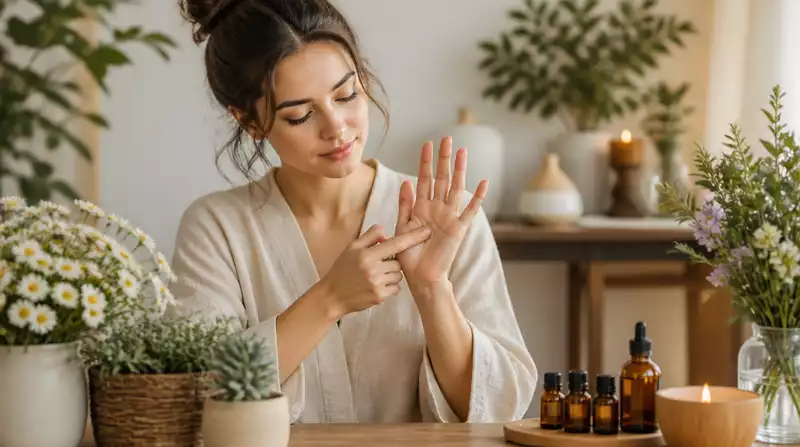
The impact of seasonal allergies can be profound, affecting not just our physical health but also our emotional well-being. Understanding how to manage these allergies effectively is crucial for maintaining our daily lives. Let's explore some key insights that can empower you to take control of your health!
What You Will Learn
- Seasonal allergic rhinitis is triggered by environmental factors such as pollen, dust, and molds, predominantly during spring and fall.
- Common symptoms include sneezing, itchy eyes, and fatigue, with their severity varying among individuals.
- The immune system reacts to allergens by releasing histamines, which cause allergy symptoms as part of the body's defense mechanism.
- Acupoint rituals, rooted in Traditional Chinese Medicine, can be effective in alleviating allergy symptoms and restoring energy balance.
- Practicing acupressure helps promote the flow of Qi (Chi), enhancing overall wellness and addressing respiratory issues linked to allergies.
- Acupoint rituals not only provide immediate relief from allergy symptoms but also foster a deeper connection to your body's natural healing processes.
Impact of Seasonal Allergies on Daily Life
Seasonal allergies can significantly affect daily activities, with symptoms ranging from mild to severe. Here's a visual representation of the main symptoms and their effects.
Common Symptoms
- Sneezing
- Runny or stuffy nose
- Itchy or watery eyes
- Fatigue
Effects on Daily Life
- Disruption in work
- Impact on leisure activities
- Frustration and fatigue
- Reduced quality of life
Common Triggers
- Pollen
- Dust mites
- Mold spores
- Pet dander
Immune System Response
- Release of histamines
- Inflammation
- Increased sensitivity
- Allergy symptoms
Understanding Seasonal Allergies and Their Impact on Daily Life
Seasonal allergies can really take a toll on our daily routines, can't they? Many of us may find ourselves battling sneezing, itchy eyes, and a runny nose as the seasons change. This condition, known as seasonal allergic rhinitis, can disrupt everything from work to leisure activities, making it essential to understand its causes and effects.
At Gentle Qi Traditions, I often hear about how seasonal allergies affect people's well-being. It’s not just about the physical symptoms; they can also lead to feelings of frustration and fatigue. If you've ever wondered why these allergies seem to strike at certain times of the year, you're not alone! For more insights into traditional healing methods, explore our article on exploring Traditional Chinese Medicine practices.
Defining Seasonal Allergic Rhinitis and Symptoms
So, what exactly is seasonal allergic rhinitis? This term refers to an allergic reaction that occurs at specific times of the year, most commonly during spring and fall when pollen levels are high. The symptoms can include:
- Sneezing
- Runny or stuffy nose
- Itchy or watery eyes
- Fatigue
Understanding these symptoms is the first step toward managing them. Some people may experience mild discomfort, while others find their daily lives significantly affected. It’s fascinating how our bodies react to environmental changes!
Common Triggers: Pollen, Dust, and Environmental Factors
Many people might not realize that seasonal allergies are often triggered by various environmental factors. The most common culprit is pollen from trees, grasses, and weeds. As they release pollen into the air, those sensitive to it can start experiencing symptoms. Other triggers include:
- Dust mites
- Mold spores
- Pet dander
Environmental factors play a significant role too! Changes in weather, humidity, and even urban pollution can exacerbate these allergies. It’s essential to stay informed about when these triggers peak to prepare ourselves better. To further understand how environmental factors affect your well-being, read about seasonal wellness with TCM insights.
The Role of the Immune System in Allergy Symptoms
Now, let’s talk about the immune system's role in all this. When our bodies detect these allergens, they react by releasing chemicals like histamines to fight off what it sees as a threat. This response is what causes those annoying allergy symptoms. Isn’t it interesting how our body tries to protect us, even if it leads to discomfort?
At Gentle Qi Traditions, I love exploring how this understanding can lead to effective management strategies. By recognizing your immune system's responses, you can take proactive steps to manage your symptoms. Whether it's reducing exposure to allergens or exploring natural remedies, every little bit helps! For those interested in deeper healing, understanding acupuncture's healing benefits can provide valuable insights.
Quick Summary
Here’s a brief recap of the key points discussed so far:
- Seasonal allergic rhinitis disrupts daily life with symptoms like sneezing, itchy eyes, and fatigue.
- Common triggers include pollen, dust mites, mold spores, and environmental factors.
- The immune system reacts to allergens by releasing histamines, causing allergy symptoms.
- Acupoint rituals in Traditional Chinese Medicine offer a natural way to manage seasonal allergies.
Frequently Asked Questions About Seasonal Allergies and Acupoint Rituals
Q: What is seasonal allergic rhinitis?
A: Seasonal allergic rhinitis is an allergic reaction that occurs at specific times of the year, primarily during spring and fall, due to high pollen levels from trees, grasses, and weeds. Symptoms include sneezing, a runny or stuffy nose, itchy or watery eyes, and fatigue.
Q: What are the common triggers for seasonal allergies?
A: The most common triggers are pollen from trees, grasses, and weeds. Other triggers include dust mites, mold spores, pet dander, and environmental factors like changes in weather, humidity, and urban pollution.
Q: How does the immune system contribute to allergy symptoms?
A: When the body detects allergens, the immune system releases chemicals like histamines to fight off what it perceives as a threat. This immune response causes the common allergy symptoms such as inflammation and increased sensitivity.
Q: What are acupoint rituals, and how can they help with allergies?
A: Acupoint rituals are practices rooted in Traditional Chinese Medicine (TCM) that involve applying pressure to specific points on the body (acupoints) to encourage healing and balance energy. For allergies, they can alleviate symptoms like nasal congestion, itchy eyes, and sneezing by restoring the body's vital life force, known as Qi (Chi).
Q: What is Qi (Chi), and why is it important in acupressure?
A: Qi (Chi) is the vital life force or energy that flows through the body in Traditional Chinese Medicine. When Qi is balanced, the body experiences good health. Acupoint rituals aim to restore this balance and free flow of Qi, which helps in alleviating symptoms and enhancing overall well-being.
Exploring Acupoint Rituals as a Natural Remedy
Have you ever considered how ancient practices can offer relief in our modern lives? Acupoint rituals, rooted in Traditional Chinese Medicine (TCM), provide a gentle yet effective way to manage seasonal allergies. These rituals connect us to our body's natural healing processes and can be practiced at home, making them highly accessible for anyone interested in enhancing their wellness journey.
At Gentle Qi Traditions, we believe in the healing potential of these ancient techniques. They not only address allergy symptoms but also promote overall well-being. Let’s delve into the fascinating world of acupressure and explore how it all began!
The Concept of Acupressure and Its Historical Roots in Traditional Chinese Medicine
Acupressure is a practice that involves applying pressure to specific points on the body to encourage healing. This method has deep historical roots in TCM, dating back thousands of years. In its essence, acupressure embodies the belief that our bodies are interconnected and that stimulating certain points can balance our energies.
Throughout history, practitioners have used acupressure to treat various ailments. The beauty of this technique lies in its simplicity and the profound effects it can have on our health. Here are some key points about acupressure:
- Originated from ancient Chinese practices.
- Focuses on stimulating specific acupoints.
- Helps promote energy flow, known as Qi.
- Can be practiced by anyone, anywhere!
Understanding Qi (Chi) and Energy Flow in Acupoint Rituals
In TCM, Qi (Chi) is regarded as the vital life force that flows through our bodies. When this energy is balanced, we experience good health and vitality. However, when blockages occur, it can lead to discomfort and health issues, including allergies. Acupoint rituals are designed to restore this balance by releasing stagnant energy!
By practicing acupressure, we encourage the free flow of Qi, which helps alleviate allergy symptoms. Here’s how understanding Qi plays a role in acupoint rituals:
- Restores balance to the body’s energy.
- Enhances circulation and overall wellness.
- Provides a sense of relaxation and calm.
How Acupoint Rituals Can Alleviate Allergy Symptoms
One of the most exciting aspects of acupoint rituals is their ability to provide relief from seasonal allergy symptoms. By targeting specific points that correlate with respiratory issues, we can effectively soothe discomfort. Imagine being able to ease your symptoms naturally, without relying solely on medications!
Here’s how acupoint rituals can help in managing allergies:
- Reduces nasal congestion.
- Alleviates itchy eyes and sneezing.
- Promotes relaxation, which can minimize stress-related symptoms.
As you explore these acupoint rituals, remember that they offer not only immediate relief but also a deeper connection to your body and its natural rhythms. At Gentle Qi Traditions, we encourage you to embrace this holistic approach as part of your wellness journey. It’s all about finding what resonates with you and nourishing your body, mind, and spirit! For more inspiration on natural stress relief, consider our guide on simple routines for stress relief.
Recap of Key Points
Here is a quick recap of the important points discussed in the article:
- Seasonal allergic rhinitis is characterized by symptoms such as sneezing, itchy eyes, and fatigue, often triggered by pollen and environmental factors.
- Common allergens include pollen from trees, grasses, and weeds, as well as dust mites, mold spores, and pet dander.
- The immune system releases histamines in response to allergens, causing the discomfort associated with allergies.
- Acupoint rituals, rooted in Traditional Chinese Medicine, can provide natural relief by stimulating specific points to balance the body's energy (Qi).
- Practicing acupressure can help alleviate allergy symptoms, reduce nasal congestion, and promote relaxation.

Lian Chen
Lian Chen is a passionate advocate for Traditional Chinese Medicine (TCM) and holistic wellness. With years of experience in the field, Lian is dedicated to sharing the profound principles of TCM through gentle practices that empower individuals to enhance their well-being. Lian believes in the healing potential of acupressure, acupuncture, and mindful routines, and strives to inspire curiosity and understanding of these ancient traditions.
Popular Posts
Relaxing with Herbal Baths
![Relaxing with Herbal Baths]() Have you ever considered how something as simple as a bath can transform your mental and physical we
Have you ever considered how something as simple as a bath can transform your mental and physical we
 Have you ever considered how something as simple as a bath can transform your mental and physical we
Acupoints and Chronic Pain Relief
![Acupoints and Chronic Pain Relief]() Chronic pain impacts millions, often leading to frustration and a diminished quality of life. As we
Chronic pain impacts millions, often leading to frustration and a diminished quality of life. As we
 Chronic pain impacts millions, often leading to frustration and a diminished quality of life. As we
Simple Wellness Routines for Immunity
![Simple Wellness Routines for Immunity]() Have you ever considered how small, consistent wellness practices could lead to significant improvem
Have you ever considered how small, consistent wellness practices could lead to significant improvem
 Have you ever considered how small, consistent wellness practices could lead to significant improvem
Acupoint Techniques for Better Focus
![Acupoint Techniques for Better Focus]() Are you ready to unlock your full potential? Discover the transformative power of acupressure, a pra
Are you ready to unlock your full potential? Discover the transformative power of acupressure, a pra
 Are you ready to unlock your full potential? Discover the transformative power of acupressure, a pra
